
Common reactions in the first days and weeks
A crash can be over in seconds, but the body and mind often keep reacting long after. The VA's National Center for PTSD notes that stress reactions after a traumatic event are normal and not a sign of weakness, and that many people first feel relief to be alive, followed by stress, fear and anger. NIMH describes common reactions such as feeling anxious, sad or angry, trouble concentrating and sleeping, and continually thinking about what happened.
After a car accident these often look like:
- Replaying the moment of impact, or the seconds before it
- Flinching at brakes squealing, horns or a car pulling out too fast
- Feeling tense as a passenger, or gripping the door handle
- Avoiding the road, intersection or highway where it happened
- Trouble sleeping, or upsetting dreams
- Guilt or self-blame, especially if someone else was hurt
- Irritability, tearfulness or feeling numb
The VA also lists physical reactions, such as a pounding heart, rapid breathing and shakiness, and notes that people may drink or smoke more or let their usual health habits slip. NIMH adds headaches, stomach problems, a racing heart and being easily startled. Physical symptoms after a crash also need a medical check, so tell your doctor about all of them, not only the ones you think are emotional.

Acute stress, PTSD and depression
Most people recover from these reactions over time, NIMH notes. Clinicians use timing to tell the difference between conditions. Cleveland Clinic explains that acute stress disorder involves stress reactions between three days and four weeks after a traumatic event, and that reactions lasting longer than four weeks may meet the criteria for PTSD.
NIMH lists accidents among the events that can lead to PTSD. It notes that symptoms usually begin within three months but sometimes appear later, and that a diagnosis requires symptoms lasting more than a month that interfere with daily life. The NHS likewise names serious or life-threatening accidents among the causes, and notes that symptoms can appear straight away or months or even years later.
Depression can follow a crash too, sometimes alongside PTSD. Pain, time off work, money stress, a damaged car, legal hassles and losing independence can wear mood down over months. NIMH notes that people with PTSD often have depression, substance use or anxiety disorders as well. If you have lost interest in things you enjoy and feel low most days, What Depression Can Look Like in Adults is worth reading.
Driving anxiety and avoidance
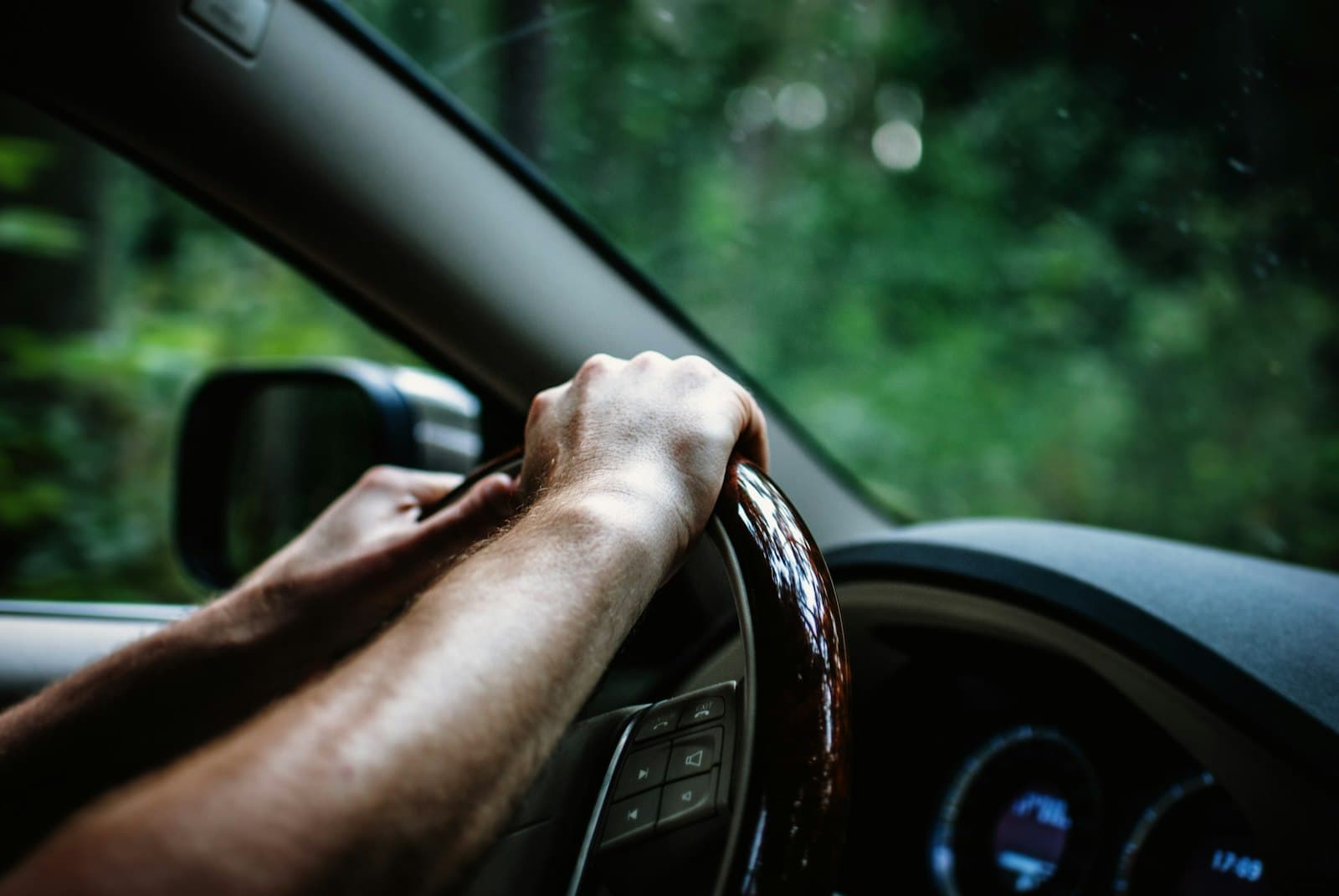
NIMH gives a direct example: some people avoid driving or riding in a car after a serious accident. Avoidance makes sense in the short term because it brings relief. Over time, though, it can shrink your life, and in much of Michigan not driving means not getting to work, appointments or family. Why Avoidance Makes Anxiety Grow explains how that cycle works.
Some people find it helps to return to driving in small, planned steps once a doctor says it is medically safe: sitting in the car with the engine off, then a short drive on a quiet street in daylight, then gradually longer trips, with a trusted passenger at first if that helps. If each attempt brings intense panic, or you cannot get started, that is a reason to work on it with a professional rather than forcing it alone.
What can help recovery
- Lean on people. The VA suggests turning to family and friends when you are ready to talk, and notes that recovery is gradual rather than sudden.
- Keep routines for sleep, meals and movement as best you can around your injuries.
- Notice whether you are drinking more to calm down or sleep, and talk to your doctor if so.
- Use simple calming tools when memories hit. Grounding Strategies explains what these can and cannot do.
- Be patient with self-blame. The VA notes that people often blame themselves when trying to make sense of a traumatic event.
What to tell your doctor
Many people see a doctor after a crash only for physical injuries and leave out the rest, sometimes because they assume the emotional side will pass on its own. It helps to mention:
- Sleep changes, nightmares or replaying the crash
- Whether you are avoiding driving, riding in cars or certain roads
- Headaches, stomach problems, a racing heart or jumpiness, which NIMH notes can be physical signs of trauma stress
- Changes in drinking, smoking or other substance use
- Low mood, loss of interest, or feeling hopeless about recovery
- Any new pain medication or other prescriptions since the accident
When to get help
NIMH advises seeking professional help if symptoms do not improve over time or start to interfere with daily life. Signs include frightening thoughts or flashbacks, nightmares, avoiding places or people that bring back the event, and pulling away from family and friends. Cleveland Clinic notes that the main treatment for acute stress disorder is psychotherapy.
Dr. Lehmann offers trauma therapy and anxiety therapy for adults, in Franklin or by telehealth for clients physically in Michigan, which can help if driving to an office is itself hard right now. If your accident is part of an insurance claim or lawsuit, ask your auto insurer or attorney about coverage for treatment and how records may be used; this guide does not give legal or insurance advice.