
When pain does not go away
MedlinePlus defines chronic pain as pain lasting longer than three months, or past the time in which you should have healed. It can come from arthritis, back problems, migraines, nerve damage, fibromyalgia, cancer or an old injury, and sometimes there is no clear cause. It may be present most days for months or years.
Living with that wears on a person. The National Institute of Neurological Disorders and Stroke (NINDS) notes that many people with chronic pain describe anger, worry, sadness, guilt, grief, defeat, hopelessness, frustration, depression or anxiety because of their pain. Those feelings are a common response, not a sign of weakness.

A two-way street
Pain affects mood, and mood affects pain. NINDS explains that this happens partly because the brain systems involved in emotions, mood and pain overlap. MedlinePlus notes that depression or stress may make chronic pain worse, and that mood and stress are among the psychological factors that can intensify it.
NINDS reports that major depression, generalized anxiety disorder, PTSD and sleep problems commonly occur alongside chronic pain. NIMH lists pain among the chronic conditions that raise the risk of depression, and notes that people with both tend to have more severe symptoms of each.
Clinicians often describe pain as biopsychosocial. NINDS uses that term to mean that biology (such as nerves and genetics), psychology (such as mood and stress) and social factors (such as support or the lack of it) all shape the experience of pain. Saying that pain has a psychological side does not mean it is "in your head". It means there is more than one place to intervene.
How the cycle builds
The National Institute on Aging (NIA) lists some of the ways ongoing pain spreads into a life. Pain can:
- Get in the way of daily activities
- Disturb sleep and eating
- Make it hard to keep working
- Keep you from spending time with friends and family
Each of those losses can deepen low mood. Less activity can mean more stiffness and more pain, and NIA notes that inactivity can lead to more pain and loss of function. Poor sleep lowers tolerance for pain. Isolation removes the people and pleasures that buffer stress. Worry about the next flare can turn into avoiding anything that might trigger one, and life gets smaller.
Some people also find the medical side exhausting: repeated appointments, tests that come back normal, or feeling doubted. That frustration is worth naming with your care team and in therapy.
Partners and family feel it too. Plans get canceled, roles at home shift, and the person in pain may feel like a burden. Talking openly about what has changed can ease some of that strain.
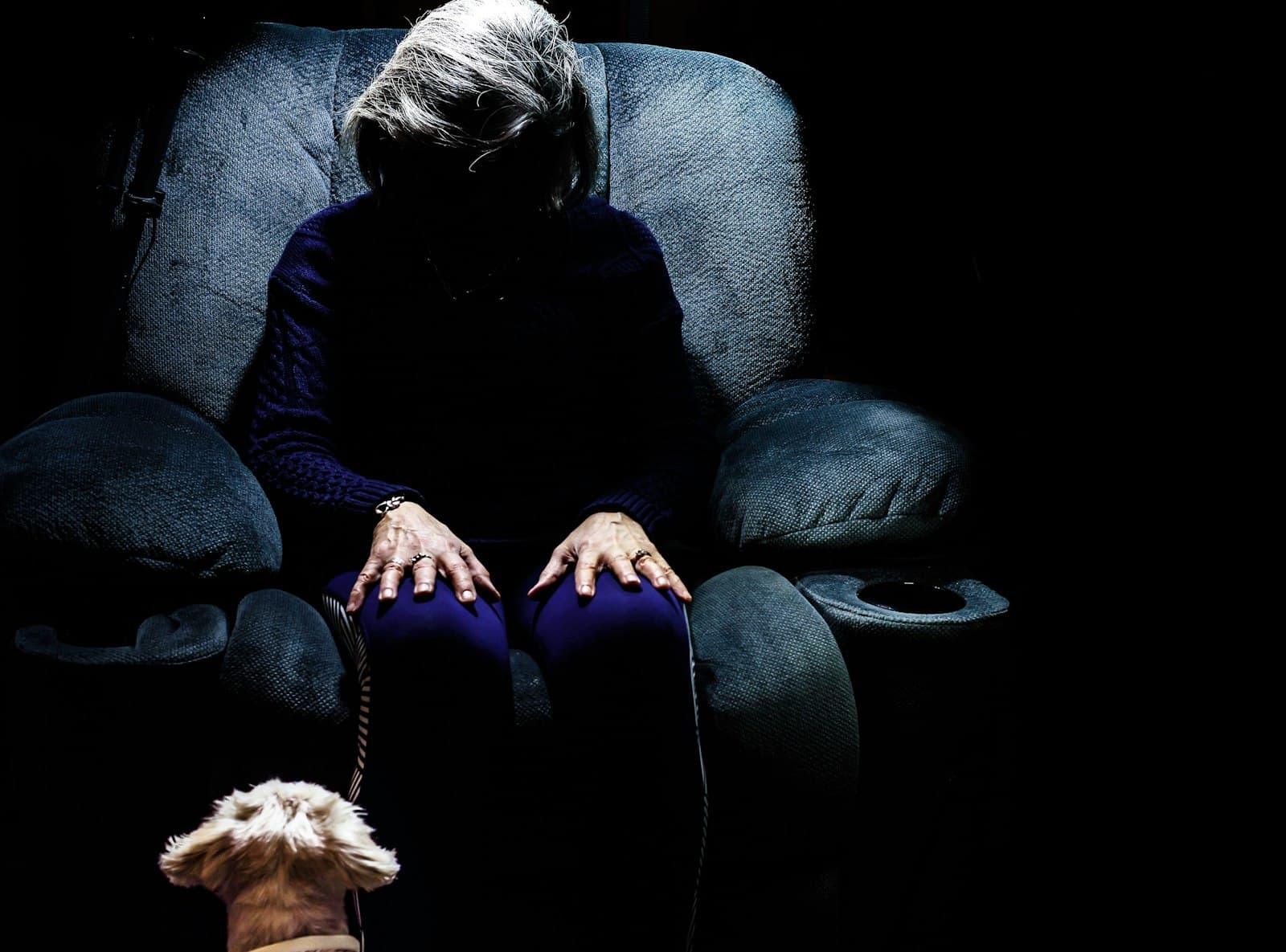
Signs mood needs attention too
- You feel hopeless about the future, not just tired of the pain
- You have stopped doing things you could still manage, because nothing feels worth it
- Worry about pain is with you even on better days
- You are drinking more, or relying on medication to cope emotionally
- People close to you say you seem withdrawn or short-tempered
These do not mean you are depressed. They are reasons to bring mood into the conversation with your doctor. For a broader look at how physical health and mood interact, see Medical Conditions and Medications That Can Cause Anxiety or Depression.
Talking with your doctor
NIA suggests some questions to help you describe pain clearly: where it hurts, when it started, whether it comes and goes, and what it feels like. Adding a few words about mood helps your doctor see the whole picture:
- "The pain is about a 6 most days, and I have stopped seeing friends because of it."
- "I am sleeping four hours a night."
- "I feel low most of the time, not only when the pain flares."
NIA notes that if your regular doctor cannot help, you can ask for a referral to a pain specialist. Pain medicines, including some antidepressants and anticonvulsants that are sometimes used for pain, should be managed by your prescriber. Talk with them before changing or stopping anything.
What helps alongside medical care
NINDS notes that getting support for the emotions, moods and mental health conditions that come with pain has been shown to improve chronic pain symptoms. Several approaches are studied:
- Cognitive behavioral therapy, which NINDS describes as building skills to cope with the emotional toll of pain, such as scheduling activities, sleep routines and relaxation; the National Center for Complementary and Integrative Health (NCCIH) calls it the prevailing psychological approach for chronic pain
- Counseling to support people through difficult periods, which NINDS also lists
- Mindfulness-based approaches, which NCCIH reports have been studied for chronic pain
- Physical therapy and gentle, regular activity, as your provider advises
- Pain support groups, which NIA suggests as a way to learn how others cope
NCCIH cautions against using an unproven product or practice to put off seeing a health care provider about pain. If you want a specific approach such as CBT, ask any therapist about their training in it.
Dr. Lehmann, a licensed clinical psychologist in Franklin, offers depression therapy and anxiety therapy for adults. She does not treat pain medically, but therapy can help with the grief, fear, frustration and relationship strain that pain brings, alongside your medical team. Telehealth for clients located in Michigan can help on days when travel is hard. If pain has changed your intimate life, Chronic Illness, Chronic Pain, and Intimacy covers that side.