
Why cancer can register as a threat
Most people link traumatic stress with war, assault or serious accidents. The American Cancer Society (ACS) notes that post-traumatic stress disorder (PTSD) most often follows events like these, and also that cancer can lead to PTSD in some people who go through a traumatic experience during diagnosis or treatment. More broadly, the ACS says anyone can feel stress after a scary or traumatic event, and that for people with cancer these feelings can arise at any point: at diagnosis, during treatment, or after treatment ends.
The National Cancer Institute (NCI) describes post-traumatic stress in cancer as something that can grow out of the shock, fear, helplessness and horror people feel when they are diagnosed. Unlike a single accident, cancer can bring a series of frightening moments, and the threat is inside your own body. That combination is part of why the reactions can feel so persistent and so confusing.

A range of stress reactions
Not every strong reaction is a disorder. The ACS describes three kinds of stress reactions:
- Post-traumatic stress (PTS): a common, normal response that often improves with time and support. Symptoms may last days to weeks, and people can still manage daily life. The ACS notes that feeling anxious before a scan, test or doctor's visit can be one form of it.
- Acute stress disorder: physical and emotional symptoms that start within 3 to 30 days of the traumatic event and last up to a month, making daily life or relationships harder.
- Post-traumatic stress disorder (PTSD): stronger, longer-lasting symptoms that can greatly affect your life, last longer than a month, and may keep you from going to appointments or tests.
Only a qualified professional can make a diagnosis. The categories are useful mainly as a reminder that stress reactions sit on a spectrum, and that the milder, more common forms are not a sign that something is wrong with you.
The more serious forms matter because of their reach. The ACS notes that PTSD can raise the risk of other problems, such as depression, alcohol or drug misuse and eating disorders, and can affect relationships and work.
What traumatic stress can look like
The ACS lists symptoms that can appear across all three types:
- Disturbing memories, nightmares or flashbacks
- Avoiding people, places or activities that remind you of what happened
- Feeling constantly on edge, anxious or unable to focus
- Low mood, numbness, or difficulty connecting with others
- Sleep problems
- Emotional outbursts or self-harming behaviors
- Guilt, shame or blaming yourself
Cancer adds its own versions. NCI notes that some survivors feel anxious or nauseated in response to reminders of chemotherapy, such as particular smells or sights, cannot stop thinking about cancer or its treatment, or feel alone and separate from others. Avoidance can be especially costly here, because the reminders you most want to avoid are often the clinic, the scanner and the follow-up visit.
The ACS advises that if symptoms like these happen every day for more than a few days, it is worth talking to your cancer care team or primary care provider and asking about a referral or other resources.
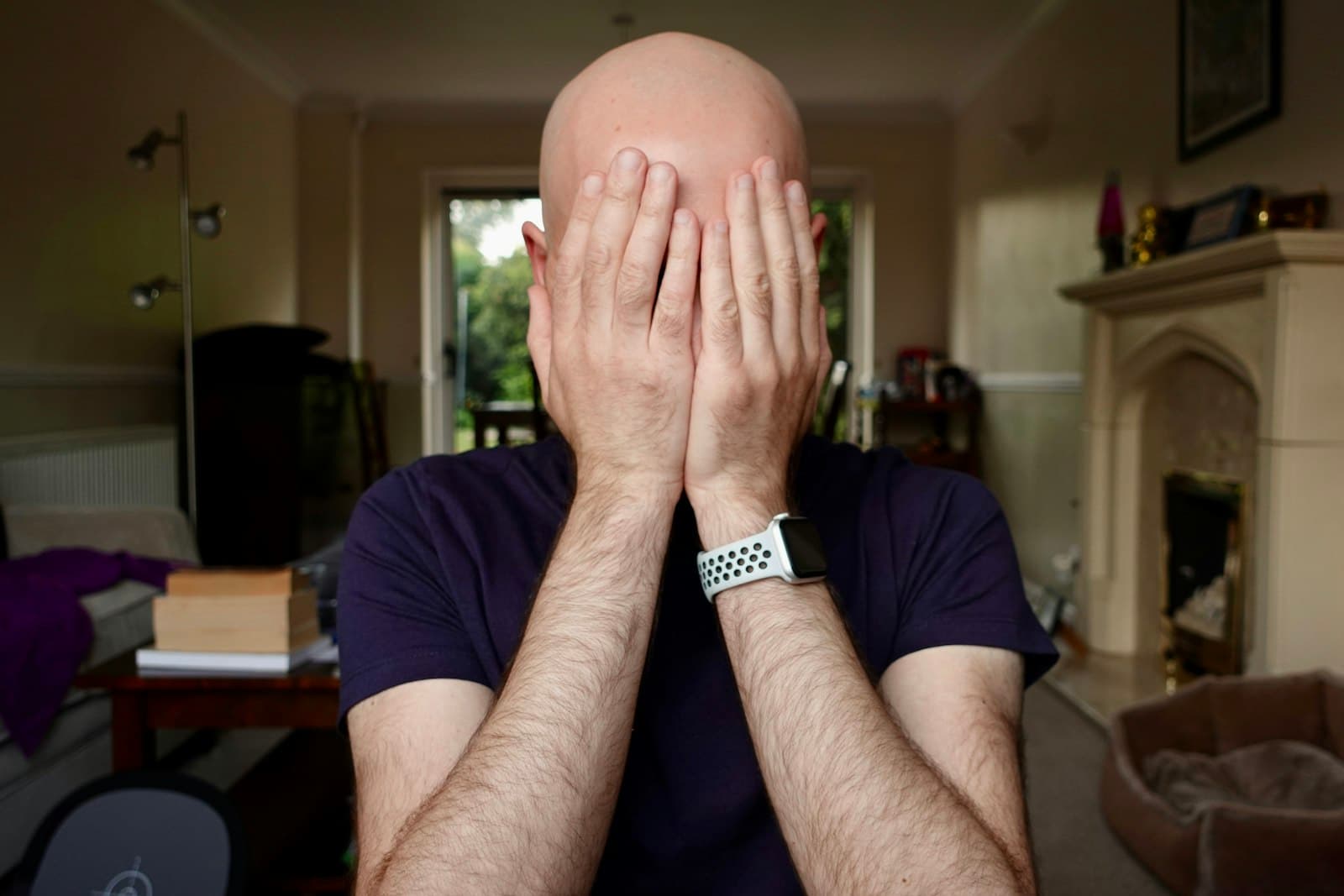
Moments and factors that raise the risk
According to the ACS, times that can be especially traumatizing include first hearing the diagnosis, going through tests and procedures, physical changes or side effects from treatment, becoming very sick or staying in the hospital (especially intensive care), and the days before follow-up scans. The ACS also notes a higher risk for people with a history of anxiety or depression, a history of trauma before cancer, a younger age at diagnosis, advanced cancer at diagnosis, or a limited support system.
Some things may lower the risk: a good understanding of your diagnosis, honest and open conversation with your care team, and a strong support system. If you already carry earlier trauma, it can help to tell your team, so procedures and difficult news can be handled with that in mind.
Planning can take some of the charge out of appointments you dread. Bring someone with you, or arrange to call a particular person afterward. Tell the staff that a procedure is hard for you, and ask them to explain each step as it happens. Plan something steadying for the rest of the day. Small measures like these will not erase a strong reaction, but they can make the next visit feel less like the first one.
What helps, and where support fits
The ACS says that most often these symptoms resolve on their own without treatment, and that talking with a therapist or counselor or joining a support group can help reduce symptoms. It notes that treatment tends to work best when more than one strategy is used, and can include talk therapy, medication prescribed by a physician, education about habits such as mindfulness, sleep and physical activity, and peer support. NCI similarly notes that regular exercise and individual or group counseling may help survivors with post-traumatic stress symptoms. The patient guide from the National Comprehensive Cancer Network (NCCN) lists psychotherapy as the recommended treatment for trauma- and stressor-related disorders.
Simple steadying skills can help in the moment. Grounding Strategies: What They Can and Cannot Do explains what they offer and where they fall short. Some people later describe positive changes after cancer, which the ACS calls post-traumatic growth, while stressing that not everyone experiences it and that growth and grief often happen at the same time. It is not a test you have to pass.
Dr. Lehmann is a licensed clinical psychologist in Franklin, Michigan, with an insight-oriented, integrative approach. Read about trauma therapy and cancer-related emotional support, and contact the practice to ask whether she can help with your situation. Telehealth is available for clients physically located in Michigan at the time of the session, which some people find easier when medical settings themselves are a trigger.