
Why sadness is an expected part of cancer
Cancer brings real losses: of health, of the body you knew, of plans and of the sense that the future is predictable. The National Cancer Institute (NCI) describes sadness as a common response to any serious illness and notes that many people with cancer feel a sense of loss for the life they had before the diagnosis. That sadness can continue after treatment ends, and it may take time to work through all the changes.
Feeling sad, tearful or discouraged, even for stretches of time, does not by itself mean something has gone wrong. It is often a sign that you are taking in something hard. For many people, these feelings lessen or come and go as life finds a new shape.
NCI also names the pressures that can push sadness further: being confronted with your own mortality, changes in life plans, changes in body image and self-esteem, disruption of day-to-day living, and worry about money and legal matters. In people with cancer, NCI adds, depression can come with disbelief or denial, worry about the future, and grief, so it does not always look like the textbook picture.
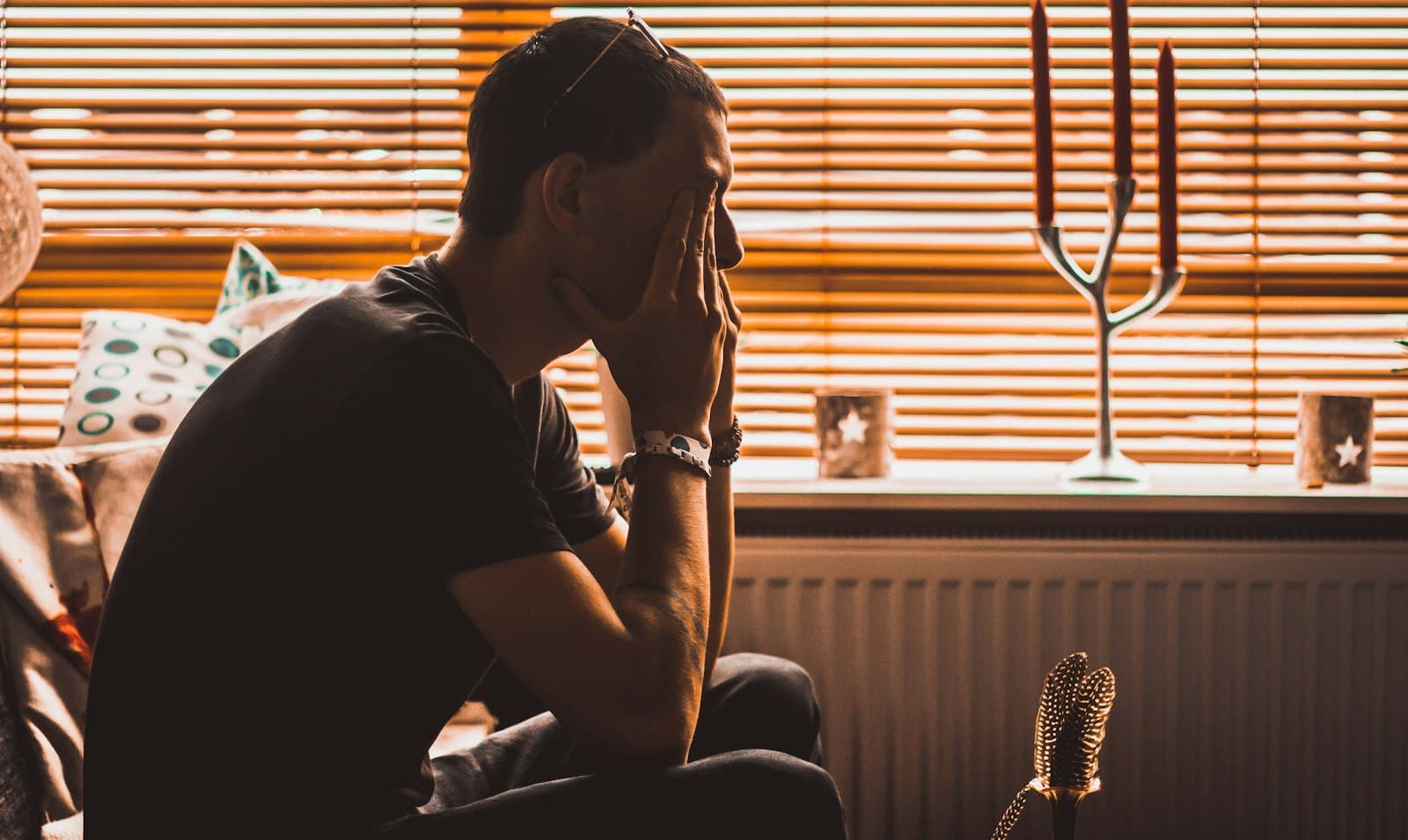
How depression is different
NCI describes depression as more than feeling down from time to time. It is a medical condition marked by ongoing sadness, despair, loss of energy and difficulty dealing with daily life. When those feelings are present most of the day for longer than two weeks, NCI says, it may be a sign of major depression. The American Cancer Society (ACS) lists symptoms that, present nearly every day for two weeks or more, may point to depression:
- Little interest or pleasure in doing things
- Feeling down, depressed or hopeless
- Trouble falling or staying asleep, or sleeping too much
- Poor appetite or overeating
- Feeling bad about yourself, or that you have let yourself or your family down
- Trouble concentrating on things like reading or television
- Moving or speaking noticeably slowly, or being unusually fidgety and restless
- Thoughts of hurting yourself, or that you would be better off dead
These lists are for understanding, not for scoring yourself. Only a qualified professional can diagnose depression, after a conversation about your symptoms, how long they have lasted and how they affect your life. The ACS also notes that depression can show up in behavior, such as frequent crying, pulling away from friends and family, giving up hobbies, or using more alcohol or drugs.
When the signs overlap with cancer and treatment
This is what makes depression hard to spot during cancer. The ACS points out that tiredness, poor appetite and sleep changes can be side effects of cancer or its treatment, and may or may not be related to depression. NCI lists medical conditions that can cause depression-like symptoms in people with cancer, including:
- Pain that does not go away with treatment
- Abnormal levels of calcium, sodium or potassium in the blood
- Anemia, fever, or too much or too little thyroid hormone
- Side effects of certain drugs, including corticosteroids
- Cancer in the central nervous system
- Poor sleep
Because of this overlap, NCI notes that your care team may ask about your mood, review your medicines, do a physical exam and order lab tests to rule out other causes. When you describe how you feel, it helps to include the emotional side, such as loss of pleasure, hopelessness or feeling like a burden, and not only energy and appetite. That gives your team a fuller picture.

Who may be more vulnerable
Not everyone with cancer becomes depressed. NCI reports that cancer type, stage and treatment may contribute, but that a personal history of mental health problems and a lack of social support are more important factors. Other risk factors NCI and the ACS describe include:
- Having had depression before, or being depressed when cancer is diagnosed
- Cancer pain that is not well controlled, or being physically weakened by the illness
- Advanced cancer, or certain types such as pancreatic or head and neck cancer
- Living alone or being socially isolated
- A history of substance use, abuse or trauma
- Stress from other life events happening at the same time
Having risk factors does not mean depression is coming. It means it is worth paying attention, and that asking for support early makes sense.
What helps, and who to tell
Depression can be treated. NCI notes that the decision to treat depends on how long it has lasted and how much it affects your life, and that treatment may include talk therapy, medicine or both. NCI says your doctor may suggest seeing a psychologist or psychiatrist if depression is getting worse, is not improving on medicine, or is making it hard to continue cancer treatment. Being physically active may also help, within limits your medical team approves.
The first step is usually telling someone: your oncologist, nurse or primary care doctor, and one person close to you. Questions about antidepressants belong with a physician, because some medicines interact with cancer treatment. If anxiety is running alongside low mood, Anxiety During Cancer Treatment may also help.
While you are waiting for an appointment, small, concrete steps can matter more than big resolutions. Keep one ordinary routine that is yours, such as a morning walk or a regular call with a friend. Let someone help with a specific task. Notice which hours of the day are hardest and plan something gentle for them. None of this replaces professional care, but it can keep the days from closing in.
Talking with a psychologist can give you space to put the losses into words and to notice the patterns that keep you stuck. Dr. Lehmann is a licensed clinical psychologist in Franklin, Michigan, with an insight-oriented, integrative approach. Read about depression therapy and cancer-related emotional support, and contact the practice to ask whether she can help with your situation. When Is It Time to See a Psychologist About Cancer-Related Stress? covers that decision in more depth.