
A different kind of uncertainty
Hearing that cancer has spread, or that it will need ongoing treatment rather than a set course, changes the shape of the future. The National Cancer Institute notes that with newer treatments, more and more people with advanced or metastatic cancer are living longer, sometimes for many years, often on and off treatment.
That time can hold real life: work, family, travel, joy. The National Cancer Institute notes that many people living with advanced cancer long term continue to find joy and fulfillment. It also comes with its own strains, including not knowing when treatments may need to change, ongoing side effects, regular scans, money worries, and plans that have to shift again and again. The American Cancer Society describes how some people feel stuck in a period of change that does not end.
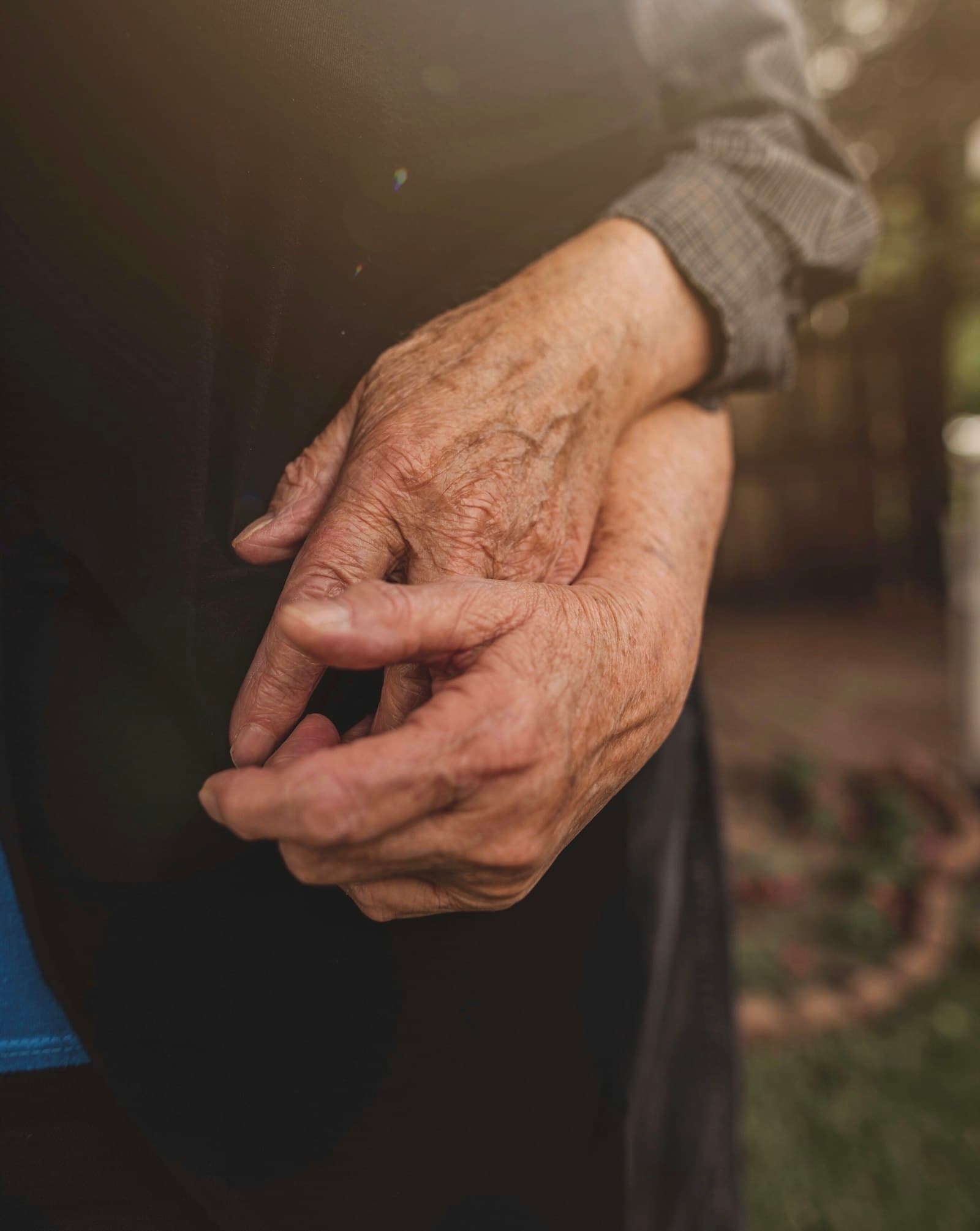
Feelings that are common
The National Cancer Institute stresses that there is no right or wrong way to feel, and that emotions may be more intense now than earlier in the illness. You may recognize some or all of these:
- Sadness that comes more often, sometimes with crying at unexpected moments
- Grief for the body you had, the things you could do, plans that may not happen, and the thought of leaving people you love
- Fear of pain, of losing control, of depending on others, of what will happen to your family, and of dying
- Anger, at the illness, at healthy people, at doctors, or at God
- Guilt or regret, including worry that you somehow failed your treatment
- Loneliness, as some people pull away or assume you would rather be left alone
- Inner strength and closeness that can surprise you
These feelings can change by the hour. A good morning does not mean you are in denial, and a bad evening does not mean you are giving up.
Grief can affect the way you think, too. The National Cancer Institute notes that people grieving a terminal diagnosis may feel confused or forgetful, find it hard to concentrate, have the same thoughts over and over, or not want to see people, and calls these very normal reactions. Pacing yourself and accepting that you are carrying a great deal can help. For fear in particular, it notes that some people find it helps to learn what to expect by asking their health care team questions, and to talk with someone they trust or with a hospital social worker or counselor.
Hope can change shape
Hope does not have to disappear when the goal of treatment changes. The National Cancer Institute notes that when remission may not be possible, people can still hope for comfort, peace, acceptance and even joy. The American Cancer Society describes hope for time, for being with loved ones, and for finishing what matters to you.
Some people find it helps to hold two things at once: preparing for what may come while still planning things to look forward to this week.

What palliative care is, and what it is not
Palliative care is often misunderstood as end-of-life care only. According to the National Cancer Institute, it is care meant to improve quality of life for people with a serious illness such as cancer. It can be offered at any point from diagnosis to the end of life, to people of any age or stage, and people receiving it may continue their cancer treatment.
- It addresses physical symptoms such as pain, fatigue and trouble sleeping, and also emotional, spiritual, family and practical concerns.
- The team may include doctors, nurses, social workers, chaplains and psychologists, working together with your oncology team.
- It supports caregivers too, and can help with conversations about goals of care.
- The National Cancer Institute reports that the American Society of Clinical Oncology recommends palliative care for all patients with advanced cancer.
Hospice is different. The National Cancer Institute explains that hospice begins when treating the disease is no longer the goal of care and the focus is entirely on quality of life. Your oncologist or a member of the oncology team is the first person to ask about a palliative care referral.
Meaning, legacy and the people you love
The National Cancer Institute notes that advanced cancer often leads people to think more about purpose and meaning: what matters most, what they want to pass on, and whom they want to spend time with. Some reflect on their life through faith, conversation or writing. Advanced cancer may also lead you to rethink what you believe. The National Cancer Institute notes that for some people this brings peace and acceptance, while others feel anger, doubt, a loss of faith, or a sense of being punished, and that exploring these questions with someone close to you, a member of your faith community, or a mental health professional can bring comfort. Some make legacy projects such as recorded memories, letters or family photo albums, or an ethical will, a personal letter about values and hopes rather than a legal document.
The people close to you may be grieving ahead of time as well. If that describes a partner or family member, Anticipatory Grief: Coping Before an Expected Loss may help them.
Where a psychologist can fit
Some signs deserve prompt attention. The National Cancer Institute advises talking with your doctor if signs of depression, such as hopelessness, lost interest in people and activities, or sleep problems, last more than two weeks, noting that some can have physical causes and can be managed either way.
A psychologist does not replace your palliative or oncology team, but can offer a separate, steady place to talk about fear, grief, relationships and what you want from the time ahead. Dr. Lehmann's approach is insight-oriented and integrative. Learn more about cancer-related emotional support, and ask the practice whether she can help with your situation. Telehealth sessions are available for clients physically located in Michigan, which some people find easier when energy is limited.