
Who counts as a caregiver
A caregiver is anyone who helps a person with cancer in an ongoing, unpaid way. That might be a spouse or partner, an adult child, a parent, a sibling, a close friend or a neighbor. Some caregivers live with the person and manage daily care; others coordinate from a distance, handle insurance calls, or drive to appointments. Many people do not think of themselves as caregivers at all. They just say they are helping out.
The National Cancer Institute and the American Cancer Society both recognize that caregivers carry real emotional and physical load, and that their well-being matters in its own right, not only because it affects the person they care for.

What caregivers often feel
- Fear about the person's health and about what the future holds
- Helplessness, especially when you cannot fix what is happening
- Grief for the relationship, routines or plans that have changed
- Guilt, for feeling impatient, for wanting a break, or for being the one who is healthy
- Resentment or frustration, which can be followed quickly by more guilt
- Loneliness, particularly if friends assume the patient is the only one struggling
- Closeness, meaning and even gratitude, sometimes in the same week as the hardest feelings
Mixed feelings do not mean you love the person any less. Holding love and exhaustion at the same time is part of caring for someone through a serious illness.
Signs the strain may be building
Caregiving tends to expand to fill every available hour. It can help to watch for signals that you are running on empty, such as:
- Sleeping poorly most nights, or feeling tired no matter how much you rest
- Skipping your own medical appointments, meals or medications
- Snapping at people, or feeling numb and detached
- Dropping friendships, work or activities that used to steady you
- Feeling that you cannot say how hard this is to anyone
- Persistent sadness, worry or hopelessness that does not ease between crises
These are signals, not a diagnosis. If you notice several of them, it is a reason to get more support, and to see your own doctor about any physical symptoms.
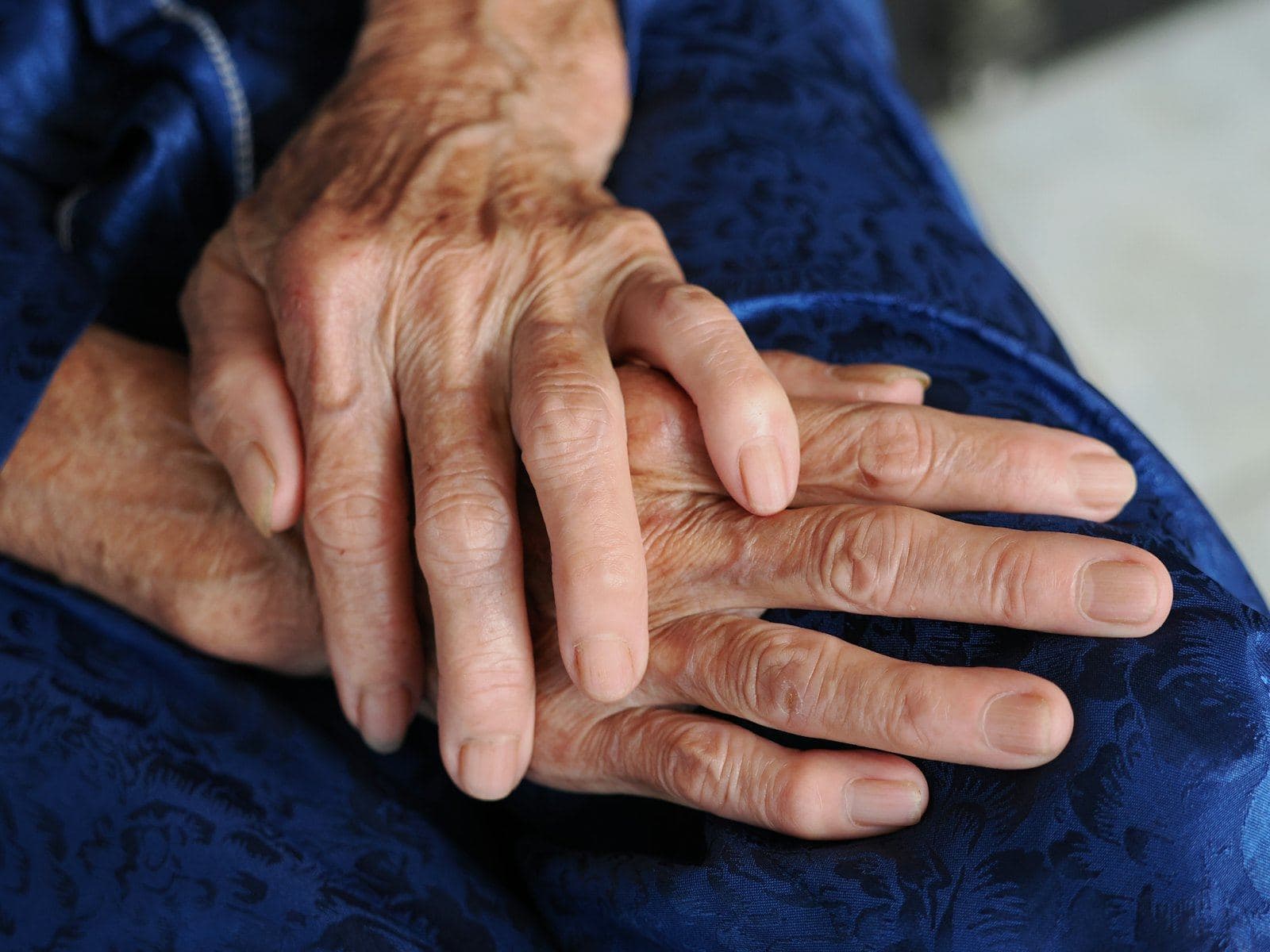
Ways to look after yourself while caring for someone
Share the practical work
Write down the jobs that need doing each week, then ask others to take specific ones: a meal on Tuesdays, rides to one appointment, a phone call to the pharmacy. Many people are glad to help once they are told how. Accepting help is part of making care sustainable over months, not a failure.
Protect small pieces of your own life
Short, regular breaks tend to help more than waiting for a long rest that never comes. A walk, a coffee with a friend, a class you already enjoyed, or an hour alone can restore something. It is reasonable to plan these as seriously as you plan the patient's appointments.
Talk honestly, including about the hard parts
Caregivers often protect the person they care for by hiding their own fear. Sometimes that helps, and sometimes it leaves both people feeling alone. Choosing a few moments to say what is true, at a pace that works for both of you, can bring you closer. You also need at least one place where you can speak freely without worrying about upsetting the patient.
Know what is yours to carry
Medical symptoms, side effects, medication questions and treatment decisions belong with the oncology or medical team. You can help by keeping a list of questions, joining appointments when the person wants you there, and asking the team who to call with concerns between visits. You do not have to become the medical expert, and trying to can add enormous pressure.
Set boundaries without guilt
Saying no to some requests from relatives, limiting visitors, or asking someone else to handle updates can protect both you and the person you care for. Boundaries are a way of staying able to help, not a withdrawal of love.
Community and practical support
Caregiver support groups let you talk with people who understand without explanation. In Oakland County, Gilda's Club Metro Detroit in Royal Oak offers cancer support programs (248-577-0800). The American Cancer Society's helpline, 1-800-227-2345, and its caregiver resources cover both emotional and practical questions. The hospital or cancer center treating your loved one may also have social workers or support services; it is worth asking.
When to consider therapy for yourself
Caregivers sometimes wait to seek help until the person they care for is "through the worst of it." There is no need to wait. Individual therapy may be useful if the signs above have been present for a while, if caregiving has stirred up older family tension, if you are anticipating a loss, or if you simply need an hour each week that is about you.
If you are considering therapy with Dr. Lehmann, a licensed clinical psychologist in Franklin, Michigan, contact the practice and ask whether she can help with your situation or can suggest someone who can. You can read more about cancer-related emotional support. For caregivers who cannot easily leave home, telehealth sessions are available for clients physically located in Michigan at the time of the session. If grief is already part of the picture, grief counseling may also be relevant.
For the person you are caring for, Coping With the Emotional Impact of a Cancer Diagnosis covers the feelings that often follow a diagnosis.