
Why intimacy so often changes after a baby
Few stretches of life change as quickly as the weeks after a baby arrives. Sleep breaks into pieces, a body is healing, routines disappear, and two people who were a couple are now also a team caring for someone who needs them around the clock. It would be surprising if sex and closeness did not change too.
The International Society for Sexual Medicine (ISSM) describes changes in sexual health after childbirth as normal and often temporary, even though they can feel overwhelming. Henry Ford Health, a Michigan health system, lists fatigue, pain, vaginal dryness and lower libido as common after childbirth, and notes that a low sex drive is especially common in the first four to six weeks.
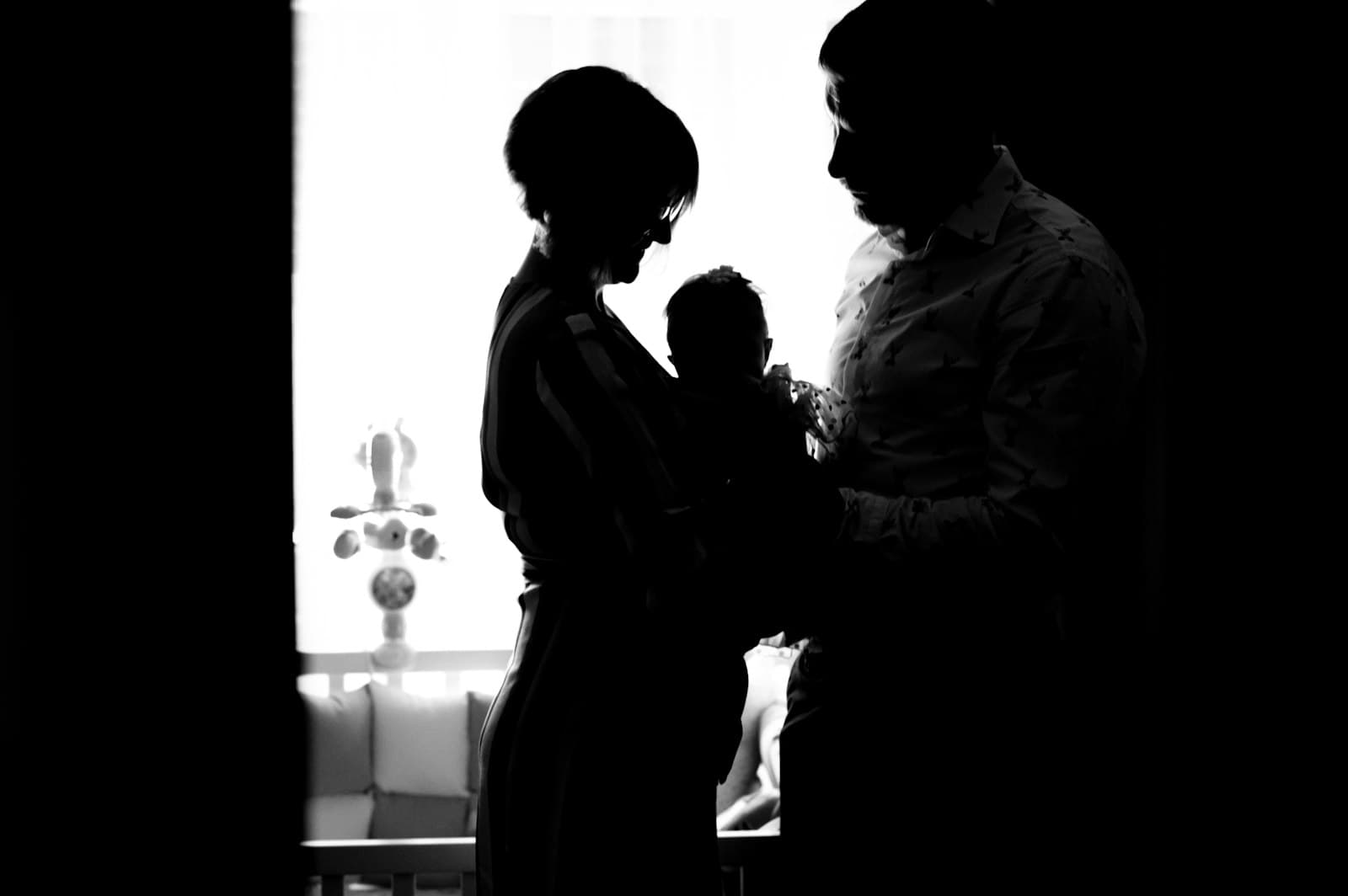
The physical side: healing takes time
This section is about the body of the parent who gave birth. There is no fixed date when sex should resume. The NHS says there are no rules about when to start again and advises not to rush. Henry Ford Health notes that most healthcare professionals recommend waiting at least four to six weeks, and that you may need to wait longer after a tear or an episiotomy.
Several physical changes are common:
- Hormonal shifts after birth can leave the vagina drier than usual. The NHS and the ISSM both mention lubricant as a simple help.
- Pain during sex is common after delivery, especially after a vaginal birth, according to the ISSM. Scar tissue from a cesarean section can also contribute.
- Breastfeeding raises prolactin and suppresses estrogen and testosterone, which the ISSM notes can further lower desire.
- Some people feel self-conscious about breast changes or leaking milk during intimacy.
Pain is worth reporting rather than enduring. The NHS suggests saying so if penetration hurts, because pretending everything is fine can turn sex into something unpleasant rather than a pleasure. Ongoing pain belongs with your obstetrician, midwife or primary care doctor. So do questions about birth control: Henry Ford Health notes that people who are breastfeeding, or whose periods have not returned, can still become pregnant.
The emotional side
Bodies are only part of the picture. After a day of holding, feeding and soothing, some parents have little appetite for more touch. The ISSM lists body image as a common concern: weight changes, stretch marks and changes in breast shape can lower confidence, and a negative body image can affect desire and enjoyment. Fear plays a role too. The ISSM notes that fear of pain, or of getting pregnant again, can reduce sexual activity.
Partners go through their own adjustment. The NHS observes that a partner may worry about causing pain. Others feel shut out of the new closeness between parent and baby, or are simply exhausted themselves. When neither person says any of this aloud, each can read the other's distance as rejection.

Postpartum depression: signs to know
Sometimes low desire is not only tiredness. The ISSM notes that postpartum depression and anxiety can dampen sexual interest and intimacy, so it helps to know the difference between the "baby blues" and something more.
According to the National Institute of Mental Health (NIMH), the baby blues are mild, short-lasting mood changes, worry and exhaustion that many women have in the first two weeks after giving birth. Mood changes or anxiety that are severe or last longer than two weeks may be signs of postpartum depression. The American College of Obstetricians and Gynecologists (ACOG) notes that postpartum depression can occur up to a year after having a baby. Symptoms the NIMH lists include:
- A persistent sad, anxious or "empty" mood most of the day, nearly every day, for at least two weeks
- Feelings of hopelessness, guilt, worthlessness or irritability
- Loss of interest or pleasure in hobbies and activities
- Trouble sleeping even when the baby is asleep, or oversleeping
- Trouble bonding with the baby, or persistent doubts about being able to care for the baby
- Thoughts of death, or of harming yourself or the baby
The NIMH stresses that perinatal depression is not caused by anything a mother has or has not done, and that it can be treated. ACOG advises calling your ob-gyn or another health care professional right away if you think you may have postpartum depression, or if your partner or family is concerned, rather than waiting for your postpartum checkup.
Staying close while you recover
Intimacy after a baby is often rebuilt in small pieces. The NHS suggests that partners can stay loving and close in other ways until both want sex, and Henry Ford Health reminds new parents that there is more to intimacy than sex. Some things that may help:
- Talk about what each of you is feeling, including fears about pain, pregnancy or how your body looks now.
- Make room for touch with no expectation attached: a hug, a hand on the back, sitting close on the couch.
- Protect small moments together, even ten minutes after the baby falls asleep.
- Go slowly when you do resume sex, and stop if something hurts.
- Share night feeds and household work as fairly as you can, since exhaustion and resentment both get in the way of desire.
How to Talk With Your Partner About Sex and Non-Sexual Touch and Affection go further into both of these.
When therapy can help
If months have passed and you feel stuck, talking with a psychologist may help. That might mean distance has hardened, one of you feels rejected, sex has become a source of conflict, or low mood is lingering. Dr. Lehmann's work on intimacy and sexual concerns focuses on the emotional and relationship side and works alongside medical care. If depression is part of the picture, depression therapy may also be relevant. These concerns can be part of individual or couples therapy; ask Dr. Lehmann which format fits your situation when you call.