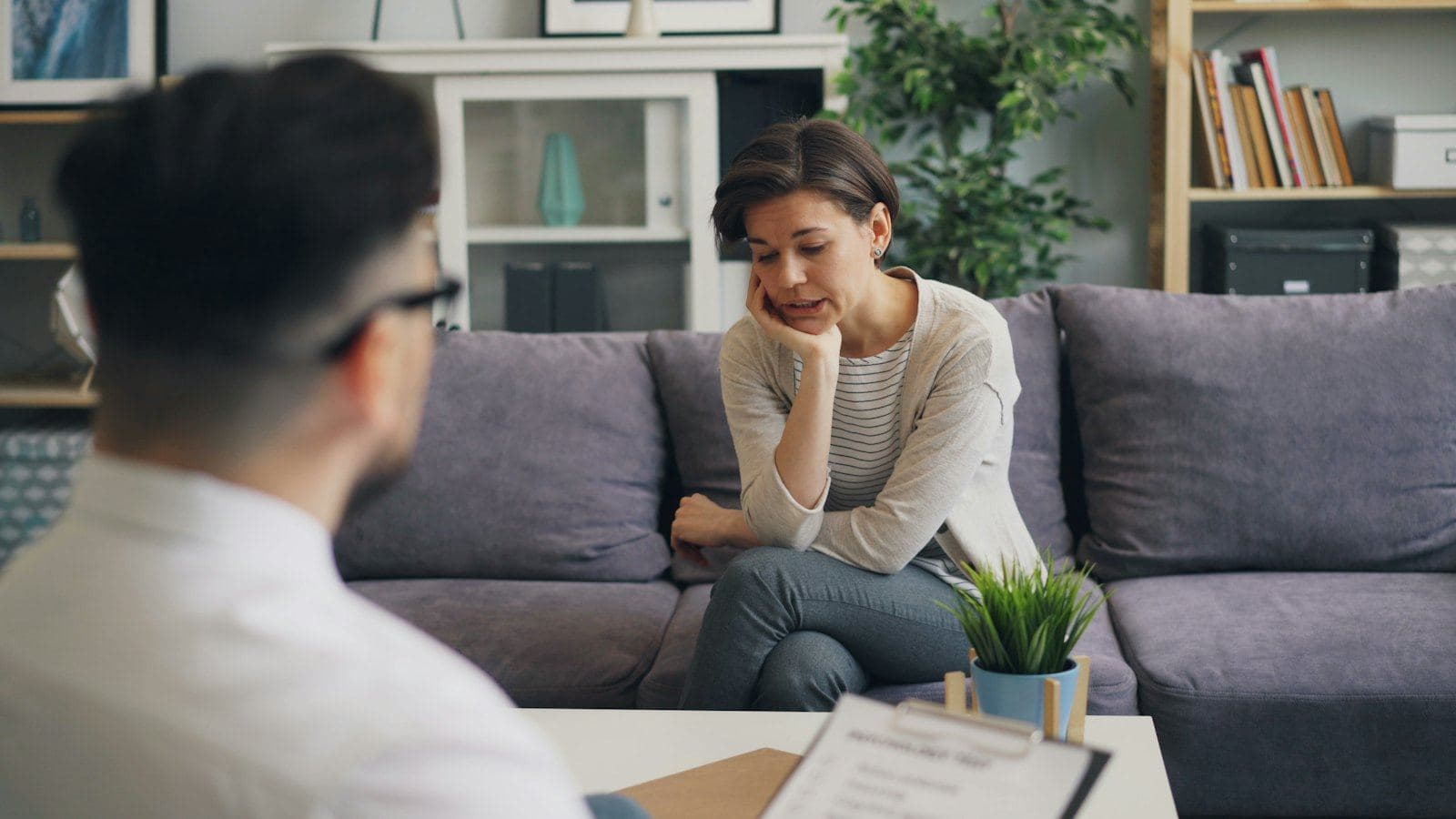
Video sessions have become an ordinary part of mental health care, and many people now have a real choice between meeting in an office and meeting from home. Neither format is better for everyone. The right choice depends on your circumstances, your preferences, and sometimes on the concern you are bringing to therapy.
What the research suggests
Studies of telehealth psychotherapy have found that, for many people and many common concerns, therapy by video can be helpful in much the same way as therapy in an office. That does not mean the two are identical for every person. Some people feel more comfortable opening up from home; others find it harder to settle into a session when their own living room is the backdrop.

When online therapy may fit well
- Travel is the main barrier: a long drive, winter roads, or no easy way to leave work for an hour
- Health makes getting out difficult, for example during recovery from surgery or medical treatment
- You care for children or a family member and cannot easily leave
- You already know your psychologist and need to keep going through a busy or disrupted stretch
- You feel more at ease talking from a familiar place
When in-person sessions may fit better
- There is no private place at home where you can talk without being overheard
- Someone at home monitors your phone, computer, or conversations
- The drive to and from the office gives you useful time to prepare and decompress
- You find it hard to focus on a screen, or video calls leave you drained
- Being physically in the room with the psychologist matters to you
Safety at home deserves special mention. If you are worried that a partner or family member could listen in, check your messages, or react badly to what you talk about, an office visit is usually the safer choice. The same concern applies to couples: if either partner does not feel safe, it is worth raising with the psychologist before choosing any format.
The Michigan location rule
Psychologists are licensed by state, and for telehealth what counts is where you are physically located during the session, not where you live or where your insurance is based. Dr. Lehmann is licensed in Michigan, so telehealth sessions are for clients who are in Michigan when they join.
This matters if you travel, spend part of the year elsewhere, or are a college student who moves between states. Before a trip, let your psychologist know so you can plan: some people move a session, some meet in person before they leave, and some pause briefly. It is best to raise it early rather than on the day of a session.
Privacy and technology
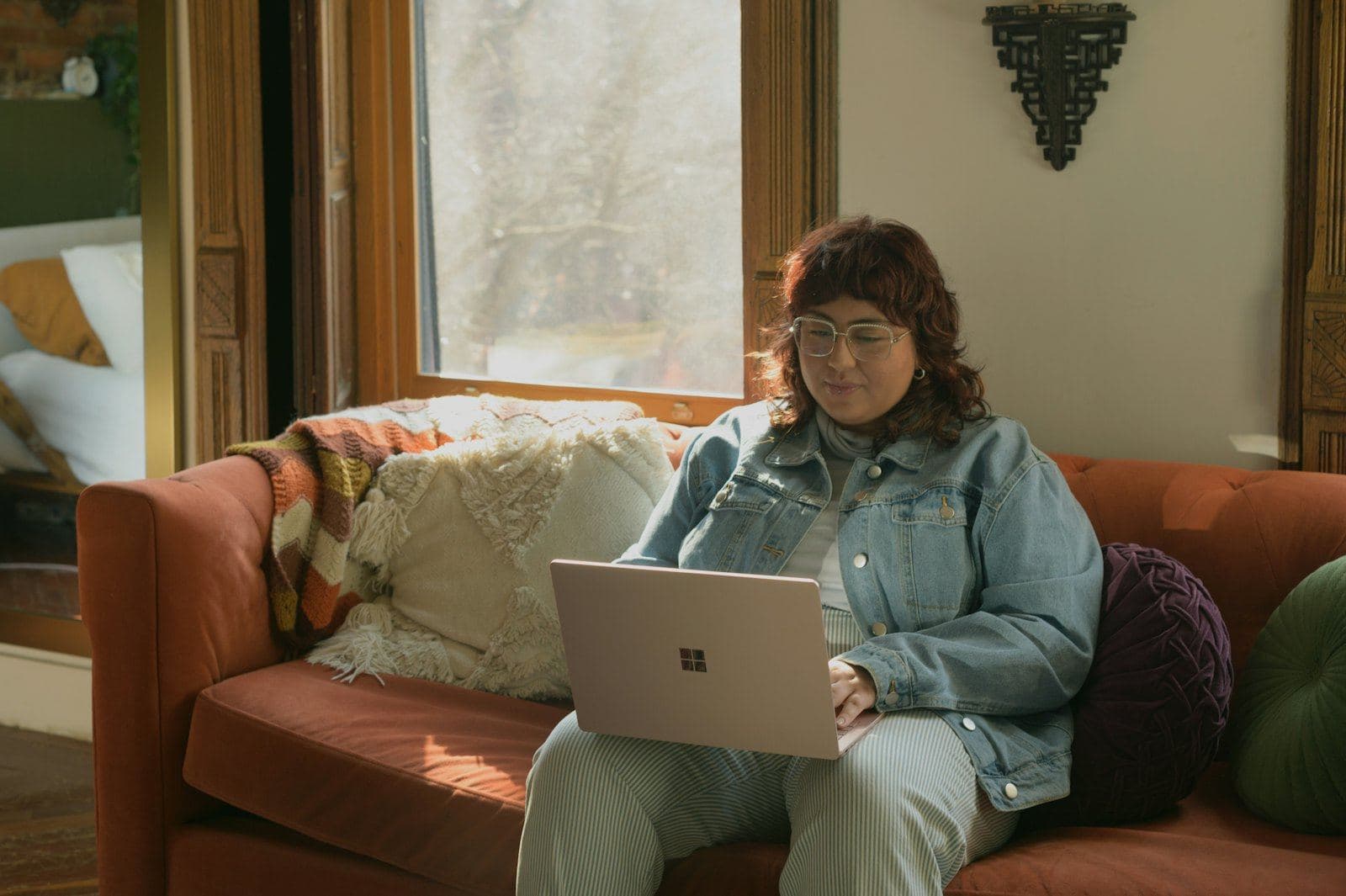
Psychologists who offer telehealth use video platforms intended for healthcare, and they will explain how to join before your first online session. Your side of privacy matters too. A few habits help:
- Use a room with a door, and headphones if others are home
- Join from a personal device and a private internet connection rather than public Wi-Fi
- Close other apps and silence notifications
- Agree ahead of time on a phone number the psychologist can call if the video drops
- Keep clinical details out of ordinary email and website contact forms
A session from your parked car can work in a pinch, as long as you are not driving and are still in Michigan, but a quiet room is better for a full session.
Getting the most from a video session
Video sessions work best when they are treated like an appointment rather than a call squeezed between other tasks. Set up a few minutes early, have water and tissues nearby, and position the camera so the psychologist can see your face. Small cues such as expression and posture carry a lot of meaning in therapy, and they are easier to read when the picture is clear.
It can also help to create a short routine before and after. Some people take a walk, make tea, or sit quietly for five minutes when the session ends, so they are not moving straight from a difficult conversation into email or family life. In an office, the drive home often serves that purpose without any planning; at home, you may need to build it in.
Questions to help you decide
- Where would I actually sit for a session, and could anyone overhear me?
- Is travel to the office realistic every week, including in winter?
- Do I tend to open up more easily face to face or from somewhere familiar?
- Will I be in Michigan for the sessions I am planning?
- Would a mix of office and video visits suit my schedule best?
Cost and insurance
Many insurance plans cover telehealth psychotherapy, but coverage and cost-sharing can differ from office visits, so ask your insurer whether video sessions are covered under your mental health benefits. For Dr. Lehmann's fees and in-network plan, see Fees & Insurance.
You do not have to choose once
Many people use both formats. Some start in the office to build the relationship and switch to video when schedules, weather, or health make that easier. Others begin by video and come in person when they can. Dr. Lehmann's office is in Franklin, in Oakland County, and you can talk with her about which mix suits you.
If you are still deciding who to see, How to Choose a Licensed Psychologist in Michigan covers the other questions worth asking.