
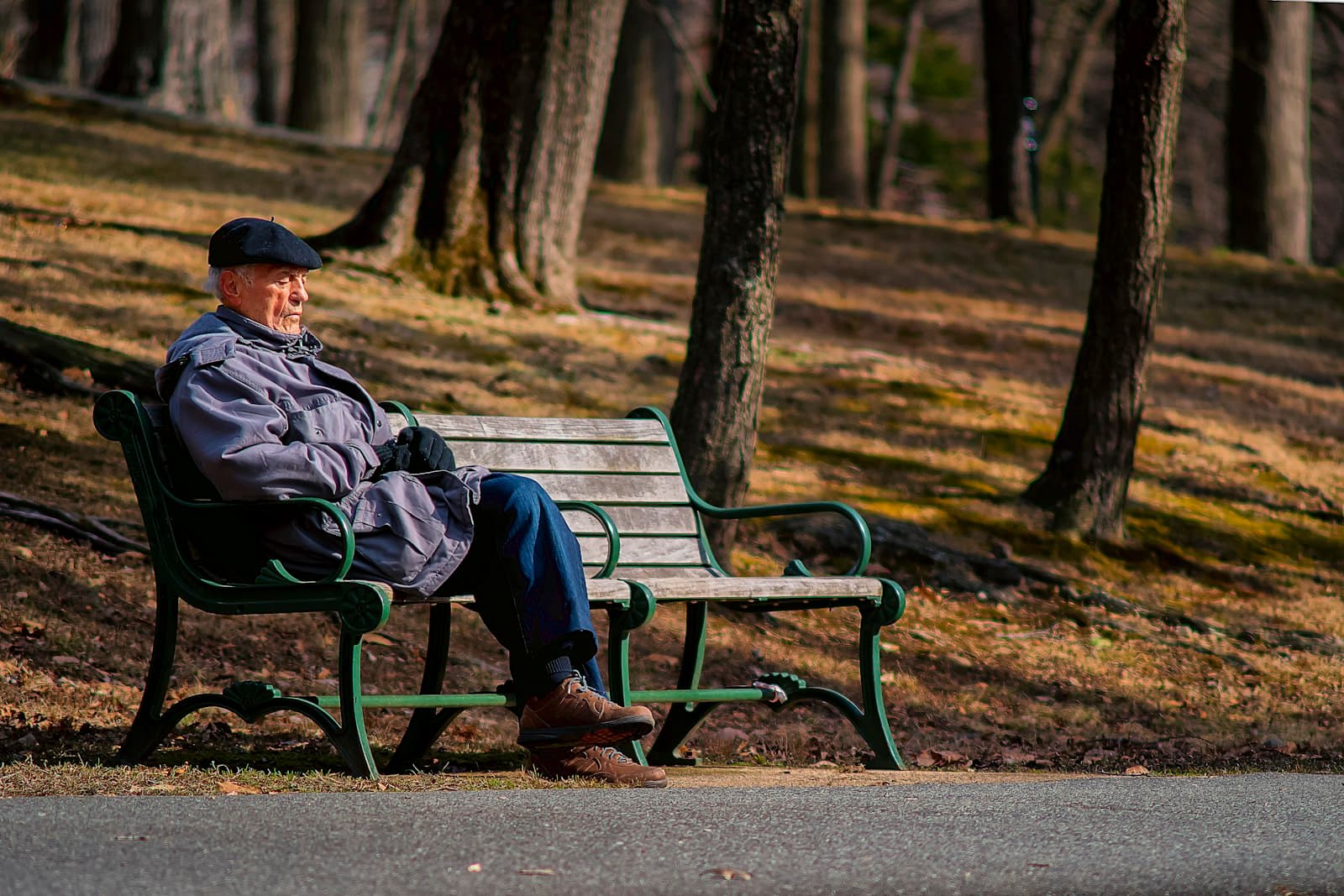
Lonely, even with people around
The American Cancer Society draws a useful distinction. Social isolation is being physically alone or cut off, with little contact or support. Loneliness is a feeling: the sense that you do not have the meaningful connection you want. You can be isolated without feeling lonely, and you can feel deeply lonely in a full house.
Both are common with cancer. The American Cancer Society notes that people who have, or had, cancer are more likely to experience isolation and loneliness than people without cancer, and that feeling lonely among friends and family is especially common for them.

Why cancer can be isolating
The National Cancer Institute describes several reasons people with cancer often feel lonely or distant from others:
- Some friends have a hard time with the diagnosis and stop calling or visiting
- You may feel too sick or tired for the activities that used to connect you with people
- You may not feel like reaching out, even when part of you wants company
- Even with people you love, it can feel as if no one understands what you are going through
The American Cancer Society adds the inner side of it: feeling that people are there for you physically but not for anything deeper, that no one wants to hear the uncomfortable parts, that you should be grateful rather than struggling, or that others are uncomfortable around you. Many people are afraid to admit they feel lonely and worry they will be judged.
Treatment itself can be isolating. Hours at appointments, time off work, and days too unwell to go out can quietly shrink a life. Partners and caregivers may feel lonely too, sometimes in the same house.
When pulling back becomes self-isolation
Wanting time alone is healthy, and rest is often necessary. The American Cancer Society distinguishes that from self-isolation, which it describes as distancing yourself from others, often to escape or numb painful thoughts. Avoiding everyone for long stretches usually does not improve well-being, and it can make negative thoughts worse. Long periods of self-isolation also raise the risk of anxiety and depression, it notes.
A rough test: after time alone, do you feel restored, or more stuck? If solitude leaves you heavier each time, it may be avoidance rather than rest.
Ways to feel less alone
Say the true thing to one person
You do not need a wide circle. One person who hears how it really is can change how lonely a week feels. The American Cancer Society notes that talking about loneliness is one of the best ways to manage it. Choose someone who can listen without rushing to fix or cheer you up.
Make connection easy for others
People who pulled back often did so out of awkwardness, not indifference. Saying "I'd love a call, even a short one" or "Visits are welcome on Thursdays" removes the guesswork. Checking in on someone else can help too; the American Cancer Society notes that supporting others can make you feel less alone.
Let someone else do the reaching out
When energy is low, even a text can feel like too much. The National Cancer Institute suggests letting people know you would welcome their visits, asking them to reach out by mail, email or phone, and, if you do not want to contact people yourself, asking a friend or family member to do it for you. Handing off that task is not a failure; it is a way of staying connected on the days you cannot do the work.
Find people who have been there
Talking with others who share the experience can ease a particular kind of loneliness. The National Cancer Institute describes in-person, online and telephone support groups, and notes that many organizations run peer programs that pair you with someone who had a similar cancer. One question worth asking a group's contact person is whether you can just sit and listen at first. In Oakland County, Gilda's Club Metro Detroit in Royal Oak offers cancer support programs (248-577-0800). For how groups compare with one-on-one help, see Cancer Support Groups vs. Individual Therapy.
Spend time where people are
The American Cancer Society describes "third places" such as libraries, coffee shops, parks and faith centers, and notes that simply being around others can help, even if you never talk to anyone. When energy is low, sitting in a cafe for twenty minutes can be a gentle step back into the world.
Try a few minutes of mindfulness
The American Cancer Society notes that studies show certain mindfulness-based activities can improve social connection and reduce feelings of loneliness. Noticing what is around you, such as time in nature or small moments of joy, can help you feel more connected to the world, and the reflection that comes with it can clarify what kind of connection you are missing.
Keep a thread of ordinary life
A class, a hobby group, or a standing call with a friend can remind you that you are more than a patient. Choose things that fit your current energy, not the life you had before diagnosis.
When loneliness is weighing heavily
The American Cancer Society lists signs that loneliness may be taking a toll, including feeling depressed or anxious most of the time, sleeping worse than usual, and letting self-care slide. If these sound familiar, or if you have stopped reaching out to anyone, it may help to talk with a mental health professional.
A psychologist can offer steady, private connection while you rebuild the rest, and can help you understand what is keeping you apart from others. Learn more about cancer-related emotional support with Dr. Lehmann, and ask the practice whether she can help with your situation. When travel is tiring, telehealth sessions are available for clients physically located in Michigan.