
Why video sessions can help during treatment
Cancer treatment can fill a calendar with infusions, scans, labs and follow-up visits. It also uses up energy. The National Cancer Institute describes cancer fatigue as different from ordinary tiredness: it is not fully relieved by rest or sleep, and it can come on after little or no activity. On those days, the drive to an appointment, parking and a waiting room can be enough to make you skip support altogether.
Video sessions remove the travel. You can talk from the couch, keep a blanket and a glass of water nearby, and rest as soon as the session ends. Caregivers often benefit too: someone who cannot easily leave the person they care for may still be able to step into another room for an hour.
Telehealth is a format, not a different kind of therapy. The conversation is the same one you would have in the office, focused on the emotional side of cancer. Learn more about cancer-related emotional support and about telehealth sessions with Dr. Lehmann.
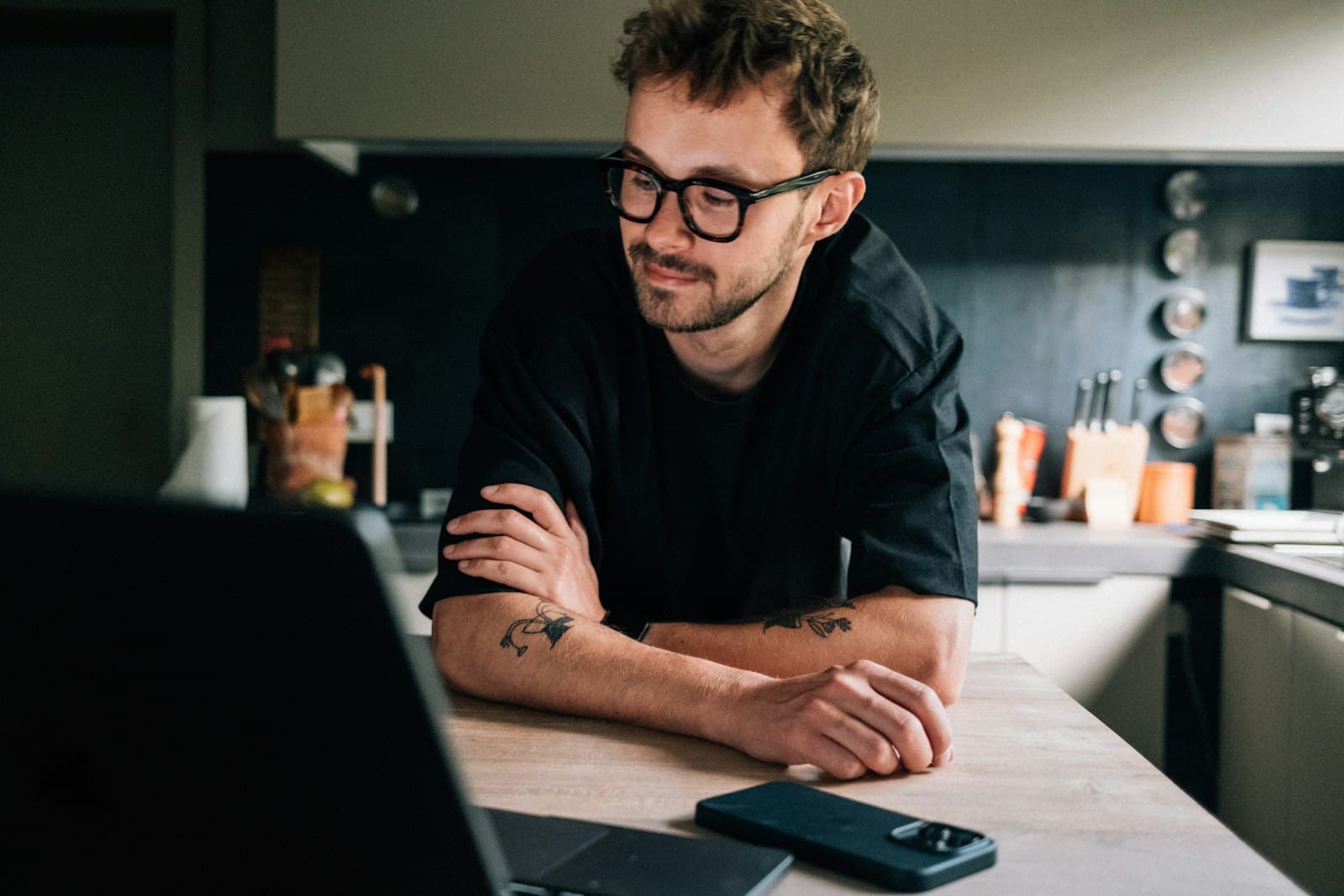
The Michigan location rule
In Michigan, psychology is regulated by the Board of Psychology within the Department of Licensing and Regulatory Affairs (LARA). Dr. Lehmann is licensed in Michigan, and her telehealth sessions are for clients who are physically in Michigan at the time of the session. What counts is where you are during the call, not where you live.
This comes up during cancer treatment more than people expect. You might travel to a cancer center in another state for surgery or a clinical trial, recover at a relative's home elsewhere, or spend the winter away. If any of that is likely, mention it when you first get in touch and again as plans change, so sessions can be scheduled around the time you are in Michigan. Whether the practice can see clients in other states is a question to ask directly rather than assume.
Privacy at home
Privacy is often the hardest part of telehealth during cancer. Family members may be home more than usual, a partner may be caring for you, and the house can feel crowded with concern. You may want to talk about feelings you have not shared with them, including resentment, fear or guilt.
- Choose a room with a door, and tell household members you need the time uninterrupted.
- Use headphones so the other side of the conversation stays private.
- Consider a white-noise machine or a fan outside the door if walls are thin.
- If home has no private corner, a parked car can work, as long as you are not driving.
- Agree on a phone number Dr. Lehmann can call if the video connection drops.
Sessions are held on a video platform intended for health care, and Dr. Lehmann explains how to join before your first online session. Ask any technical questions then, including what device works best for you.
Setting up on a low-energy day
The National Cancer Institute lists difficulty thinking, remembering or paying attention among the symptoms of cancer fatigue. On a foggy day, small preparations help: charge the device and test the link the day before, keep the joining instructions somewhere easy to find, and log on a few minutes early so a technical hiccup does not eat into the session. Sitting comfortably matters more than looking polished. A notebook nearby lets you jot down anything you want to remember afterward.

Sessions from an infusion chair or hospital room
Some people wonder whether they can use long hours in an infusion chair for therapy. It is worth thinking through carefully. Infusion areas are often shared spaces separated by curtains, nurses come and go, and the people nearby can hear more than you might like. Medications given during treatment can also leave you drowsy or foggy.
If you want to try it, ask the treatment center whether a more private space is available, and discuss the idea with Dr. Lehmann beforehand. Many people find it easier to schedule sessions on a different day from treatment, or to use the infusion time for lighter things and save the hardest conversations for a more private setting. A hospital stay raises the same questions; if you are admitted, let the practice know and decide together whether to pause.
When in-person sessions may be the better fit
Telehealth is not right for everyone, or for every stage of treatment. The Franklin office may suit you better if:
- There is no place at home where you can talk without being overheard.
- Leaving the house for something that is not medical feels like a welcome change.
- Screens tire you, or long video calls leave you more drained than a short drive would.
- You find it easier to open up when you are in the same room as someone.
- Home is where the tension is, and you want physical distance from it while you talk.
Many people mix both. You might come to the office when you feel stronger and switch to video during weeks of heavier treatment. If you plan to switch, let the practice know ahead of time which format you expect to use, so you are not left guessing on the day. The office is at 26111 W 14 Mile Rd, Suite 108, in Franklin. On days when driving yourself is not a good idea, a ride from a friend or relative can make an office session possible, and video remains an option when it does not. Daytime appointments are offered Monday through Thursday. In-Person vs. Online Therapy looks at the general trade-offs, and What to Expect From Therapy During or After Cancer covers scheduling and cancellations.