
Listening matters more than the perfect words
Many people avoid a friend with cancer because they are afraid of saying the wrong thing. The American Cancer Society offers a reassuring reminder: the most important thing is not what you say, but that you are there and willing to listen. Silence and distance usually hurt more than clumsy words.
Listening well means letting the person lead. They may want to talk about treatment, or about anything but treatment. They may be angry, flat, frightened or funny. The ACS encourages letting people with cancer express negative feelings, be withdrawn or stay quiet, without rushing to change the subject or cheer them up.
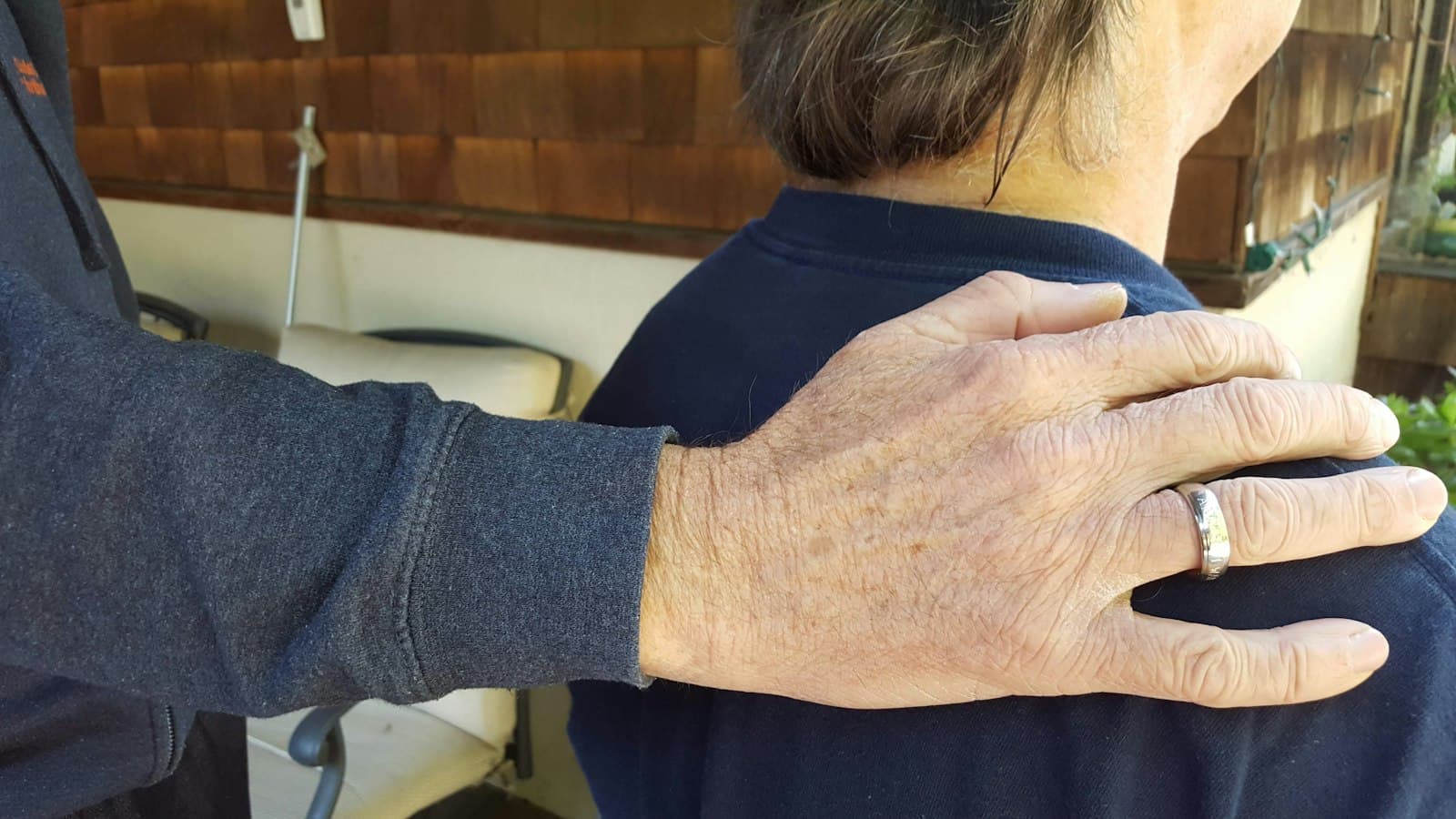
Things that often help to say
Simple, honest statements tend to land best. The American Cancer Society suggests lines like these:
- "I'm not sure what to say, but I want you to know I care. I'm here for you."
- "I'm sorry you're going through this."
- "It's okay to feel how you're feeling."
- "How are you doing?"
- "If you'd like to talk about it, I'm here."
- "I'll keep you in my thoughts."
"Let me know if you need anything" is kind, but it hands the work back to someone who may be too tired to ask. A specific offer, such as "I'm going to the store on Thursday; can I pick up groceries for you?", is easier to accept. If they look well, it is fine to tell them so. And humor can be welcome, as long as the person with cancer is the one who sets the tone.
Things that tend to land badly
Most hurtful comments are well meant. The American Cancer Society lists several to avoid:
- "I can imagine how you must feel." You probably cannot, and the person knows it.
- Medical advice or opinions on diet, vitamins or herbal remedies, unless they ask.
- Urging them to "fight" the disease.
- Telling them how strong they are, which can make them feel they have to act strong when they are sad or exhausted.
- Anything that hints at blame, such as reminders of past smoking or drinking.
- Remarks such as "You look pale" or "You've lost weight." They are almost certainly aware already.
- Stories about other people you know who had cancer. Every situation is different, and many of those stories frighten more than they comfort.
Watch your tone, too. The ACS cautions against a "how sick are you today?" tone when asking how someone is. And do not assume they can no longer do things just because they have cancer; follow their lead.

Respecting privacy and decisions
If someone tells you they have cancer, the news is theirs to share. The ACS advises not passing it on without permission. If others ask you, you can say something like, "It's not mine to share, but I'll let them know you asked about them." If you heard through the grapevine, check whether it is public before raising it. If it is, a simple "I heard what's happening, and I'm sorry" is better than pretending you do not know.
Respect their choices about treatment as well, even if you disagree. If you are hurt that you were not told sooner, try not to take it personally. People often need time to absorb a diagnosis before they can tell anyone. The person with cancer may find How to Tell Family, Friends, and Coworkers About a Cancer Diagnosis useful from their side.
Showing up over time
Support can arrive in a rush right after the news and then fade while treatment is still going on. The ACS suggests brief, frequent notes or texts, short regular visits rather than long rare ones, and ending a call with "I'll be in touch again soon" and then following through. Visiting on a weekday can matter as much as on a holiday weekend.
The end of treatment is another point where people often step back too soon. The ACS notes that finishing treatment can bring mixed feelings rather than pure relief, and that some people only begin to process everything once it is over. Letting them know your support continues can make a real difference.
Practical help often says what words cannot. The American Cancer Society suggests regular, predictable help rather than one big gesture: a meal one day a week, an hour of cleaning, yard work, pet care, or driving a child to practice. Running an errand for the caregiver counts just as much. If you are thinking of organizing a fundraiser, check with the person first, because the ACS notes that raising money or crowdfunding can sometimes affect a person's benefits.
If they turn down help, respect that without taking offense, and let them know the offer stands. For a coworker, the ACS suggests keeping them in the loop on work news and checking before you take something off their plate, so they still feel like a valued member of the team.
Taking care of your own feelings
Someone else's cancer can stir up your own fear, grief or memories, especially if you are close in age or have lost someone before. Feeling sorry for the person, or guilty for being healthy, is common, and the ACS suggests being honest with them about your discomfort rather than staying away. The American Cancer Society notes that disbelief, sadness, trouble sleeping and worry about your own health are normal responses, and suggests support from a mental health professional, a support group, or an Employee Assistance Program if your work offers one.
If you are more than a friend, and the person relies on you for daily help, read Emotional Support for Cancer Caregivers. Talking with a psychologist can also help you sort out your reactions so you can be present for the person you care about; learn more about cancer-related emotional support.