
This article is about erection problems in men and others with a penis, and about how they affect partners of any gender. It focuses on the emotional and relationship side. The medical side comes first, so that is where it starts.
Why a medical check comes first
Erectile dysfunction (ED) means trouble getting or keeping an erection firm enough for sex. The National Institute of Diabetes and Digestive and Kidney Diseases (NIDDK) is clear that ED is not a routine part of aging. MedlinePlus notes that ED can be a sign of other health problems, such as clogged blood vessels or nerve damage from diabetes, and the Mayo Clinic describes it as a risk factor for heart disease.
The NIDDK also lists many common medicines that can cause ED as a side effect, including antidepressants and blood pressure medicines. If you suspect a medicine, it advises not to stop taking it on your own and to talk with your health care professional first. A primary care physician or urologist is a good place to begin. The Mayo Clinic also suggests seeing a health care professional if you have other sexual concerns alongside ED, such as ejaculating sooner or later than you want, or a condition such as diabetes or heart disease.
Body and mind are both involved
The Mayo Clinic explains that sexual arousal involves the brain, hormones, emotions, nerves, muscles and blood vessels, and that ED can result from a problem with any of these. It notes that sometimes the cause is both physical and mental: a minor physical change that slows sexual response can cause worry about keeping an erection, and that anxiety can then make the problem worse.
The Cleveland Clinic puts it simply: feelings play a major role in getting and keeping an erection. Feeling relaxed, confident and aroused matters, and it is normal to sometimes have erection issues when you are nervous, anxious, frustrated or tired. The NIDDK lists emotional issues that can cause ED or make it worse:
- Anxiety, depression or stress
- Feeling isolated or lonely
- Low self-esteem, lack of confidence or negative body image
When anxiety about sex is driving much of the problem, Sexual Performance Anxiety explains how that cycle works.
What it can feel like
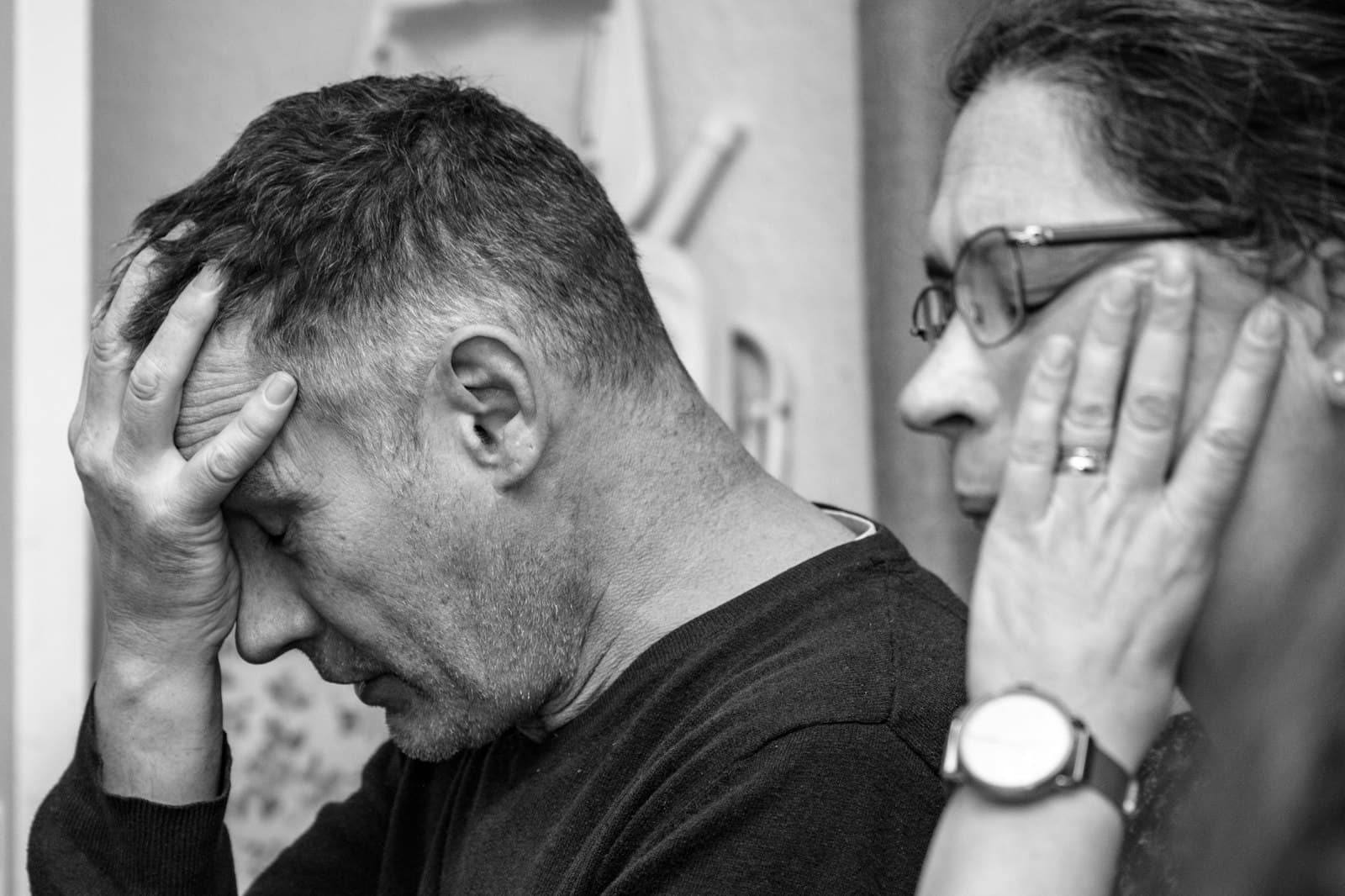
The Mayo Clinic notes that ongoing erection problems can cause stress, affect self-confidence and add to challenges with a partner. For some men, the problem touches something deeper than sex: a sense of masculinity, competence or being desirable. Common reactions include:
- Embarrassment, and avoiding the subject even with a doctor
- Dread before sex, or avoiding situations that might lead to it
- Pulling back from affection to avoid "starting something"
- Irritability or low mood that spills into other parts of life
- Feeling that you are letting your partner down

What partners often feel
Partners are affected too, and their experience is often overlooked. A partner may quietly wonder whether they are still attractive, whether they did something wrong, or whether there is someone else. They may try to help in ways that feel like pressure, or stop initiating to avoid embarrassment, which can feel like rejection in return.
When neither person says what they are thinking, both fill the silence with their worst guesses. A medical problem then becomes a relationship problem, even when the relationship itself is sound.
Talking about it
It is often easier to raise the subject outside the bedroom, at a calm moment. A few things that can help:
- Name it plainly and early: "This has been happening, and I want us to talk about it"
- Make clear it is not about attraction, if that is true
- Ask what your partner has been feeling, and listen without defending
- Agree that closeness can continue in other ways while you sort out the cause
- Decide together whether to see a doctor, and whether your partner wants to be involved
How to Talk With Your Partner About Sex has more on starting these conversations.
Keeping closeness while you sort it out
Erection problems do not have to mean the end of physical closeness. Kissing, touching, holding and other kinds of intimacy remain possible, and keeping them going can protect the connection while the cause is being worked out. Some couples find that agreeing to take intercourse off the table for a while removes enough pressure that both can relax again.
Treatment and the relationship
The NIDDK notes that choosing an ED treatment is a personal decision, and that couples may want to talk together about treatments that work for them. Treatment can bring its own feelings: relief, but also awkwardness about planning, worry about whether it will work, or grief that things are different. The Mayo Clinic notes that oral ED medicines do not automatically produce an erection; sexual stimulation is still needed, which means the emotional climate still matters.
The NIDDK adds that health care professionals may suggest counseling when mental health or emotional issues are affecting ED, that counselors can help lower anxiety and stress about sex, and that a partner may be invited to sessions for support.
Where therapy can fit
Therapy does not treat the physical side of ED. It can help with what surrounds it: the anxiety and shame, depression or stress that may be contributing, and the distance that can grow between partners. Dr. Lehmann offers therapy for intimacy and sexual concerns, which can be part of individual or couples therapy. Ask which format fits your situation when you call.