
What performance anxiety is
The International Society for Sexual Medicine (ISSM) describes sexual performance anxiety as fear, worry or anxiety related to sexual activity. It calls it one of the most common sexual issues among both men and women, while noting that it is not a formal diagnosis. It often accompanies or comes before other sexual difficulties.
The ISSM cites large studies in the United States and United Kingdom in which 6 to 16 percent of women and 9 to 25 percent of men reported feeling anxious about sexual performance for at least a month in the previous year. In other words, if this is happening to you, you are far from alone.

How it shows up
Performance anxiety looks different from person to person. The ISSM notes that in women it often shows up as distracting thoughts during sex, worries about body image and lower desire, while in men it is often linked with erection problems, early ejaculation and distraction that reduces arousal. People of any gender may recognize any of these. Common forms of the worry include:
- Will my body respond the way it is "supposed" to?
- Will I last long enough, or reach orgasm, or help my partner reach it?
- What does my partner think of how I look right now?
- What if it happens again, like last time?
- Am I doing this right?
Some people describe a feeling of watching themselves from the outside during sex, checking and evaluating, rather than being in the experience.
Why it feeds itself
Sexual arousal needs a degree of relaxation and attention to what feels good. Anxiety works against both. The ISSM describes a cycle in which a person worries about performing and fears failure, experiences a sexual difficulty, and then worries more about the next time.
Writing about anxiety and erection problems, the ISSM describes the same loop in more detail: worry becomes so distracting that it is hard to focus on the pleasure of the moment; that distraction makes it harder to stay aroused; the difficulty then hurts self-esteem and raises worry about the relationship; and that adds to the anxiety. The ISSM describes a similar cycle between anxiety and early ejaculation.
Over time, avoidance often joins the loop. The ISSM notes that performance anxiety can lead people to lose confidence, start avoiding sex and run into intimacy problems with a partner. Avoidance brings short-term relief, but it also means the fear never gets tested against a better experience.
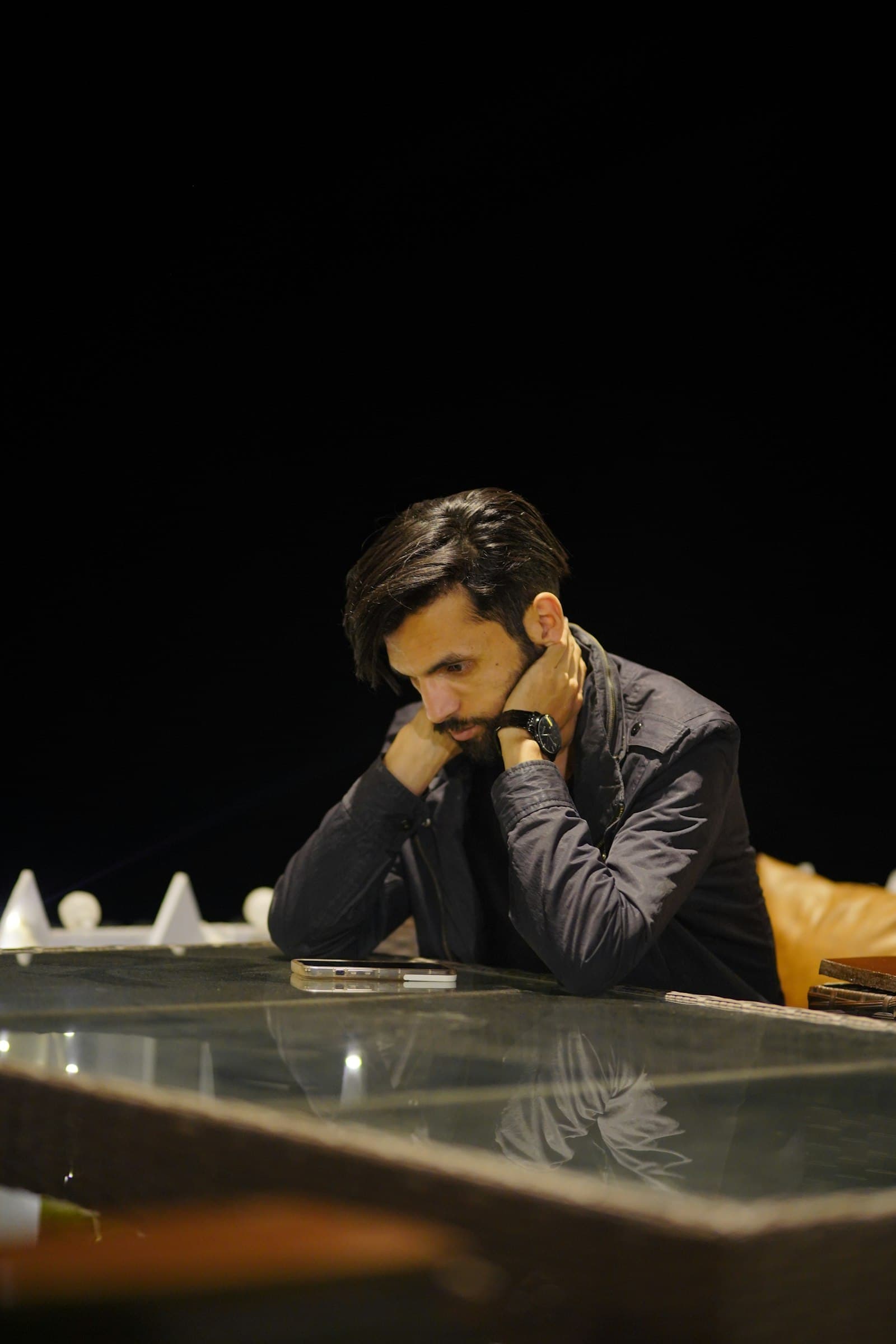
Where it can come from
Sometimes performance anxiety starts with one difficult experience, after which the mind braces for a repeat. Other common contributors include:
- A new relationship, where the stakes feel high
- Pressure from ideas about how sex "should" go, including from pornography or culture
- Body image concerns or low self-esteem
- A partner's frustration or disappointment, spoken or sensed
- Broader anxiety, depression or stress
- Conflict about sex rooted in religious or cultural beliefs, which the ISSM names as one contributor to erection problems with psychological causes
The ISSM also notes that men with anxiety disorders appear to be at higher risk of erection problems, and that some medicines used to treat anxiety, such as SSRIs, can themselves have sexual side effects.
The partner's side of the loop
Performance anxiety rarely stays with one person. A partner who sees difficulty or avoidance may quietly wonder whether they are still wanted, or whether they did something wrong. They may try harder to help, which can feel like more pressure, or pull back to avoid making things worse, which can feel like rejection.
Neither reaction is a mistake. Both are attempts to cope with something no one is talking about. Naming the worry out loud, for example "I've been anxious about this, and it isn't about you", can lower the temperature for both people.
Start with a medical check
Because sexual difficulties can have physical and psychological causes at the same time, the ISSM recommends a full medical exam first when erection problems are involved, and the same logic applies to pain, arousal or orgasm changes. A physician, gynecologist or urologist can look for physical contributors and talk through medical options. Is It Physical or Emotional? explains why the answer is often both.
What can help
The ISSM suggests practicing being present during sex, cutting down on distractions, and focusing on sensation rather than on how your body is functioning. It also suggests:
- Talking with your partner, who may offer reassurance or share what they actually need
- Remembering that occasional difficulties are common and do not reflect your worth
- Remembering that intimacy is more than penetration; closeness can include kissing, touching and holding
Some therapists who specialize in sexual concerns use structured exercises called sensate focus. The ISSM describes it as a series of touch exercises, developed by Masters and Johnson, that shift attention away from performance and toward sensation, starting with non-sexual touch. What Is Sensate Focus? explains it in more detail. If a specific method matters to you, ask any therapist about their training in it.
Where therapy can fit
Talking about this kind of anxiety can feel exposing, which is part of why it lasts. Therapy offers a private place to understand where the pressure comes from, what you learned about sex and worth along the way, and how the pattern plays out with a partner. Dr. Lehmann offers therapy for intimacy and sexual concerns, which can be part of individual or couples therapy. Ask which format fits your situation when you call.