
Intimacy does not have an age limit
Henry Ford Health, a Michigan health system, puts it simply: the need to share relationships with others does not decrease with age. The National Institute on Aging (NIA) describes intimacy as a feeling of closeness and connectedness that can occur with or without a physical component, and notes that the transitions of aging can be a chance to redefine what sexuality and intimacy mean to you.
There is no single right answer. The NIA notes that some older adults want both a sexual and an intimate relationship, some are content with one without the other, and some choose neither. What matters is whether your situation feels right to you, and, if you have a partner, whether the two of you can talk about it.
Later life can also bring real advantages. According to the NIA, many older couples find greater satisfaction in their sex lives than they did when they were younger: fewer distractions, more time and privacy, no worries about pregnancy, and more ease saying what they want and need. The International Society for Sexual Medicine (ISSM) notes that many people over 70 continue to enjoy satisfying sex.

Common physical changes
Bodies do change, and the NIA describes several common shifts:
- The vagina can shorten and narrow, its walls can become thinner and stiffer, and natural lubrication usually decreases and takes longer.
- Erectile dysfunction (ED) becomes more common. The NIA says occasional ED is not a problem, but if it happens often, talk with your doctor.
- Arthritis, chronic pain, diabetes, heart disease, incontinence, stroke and some surgeries can all affect sex.
- Many medicines, including some blood pressure medicines, antidepressants, antihistamines and sedatives, can have sexual side effects.
The ISSM notes that it is common and normal for erections to change with age, often needing more time and stimulation, and that ED is often a sign of other health issues such as diabetes, high blood pressure or cardiovascular disease. That is one good reason to raise it with a doctor rather than write it off as age.
Medical care has options here. The NIA mentions lubricants and moisturizers, prescription treatments for painful sex, and several treatments for ED. It warns against supplements that promise to treat ED, which may have dangerous side effects or interact with prescriptions. If a medicine seems to be affecting your sex life, ask the prescriber whether there is an alternative rather than stopping it on your own. Incontinence, which the NIA notes becomes more common with age, can often be eased by changing positions or emptying the bladder before and after sex, and it can be treated.
The emotional side
The NIA notes that some older adults do not feel comfortable in their aging bodies and worry that a partner will no longer find them attractive. Health scares leave a mark too: people who have had a heart attack, or their partners, may be afraid that sex will cause another one. The NIA says sexual activity is generally safe, but to follow your own doctor's advice.
Mood matters as well. The NIA notes that losing interest in activities you used to enjoy, including intimacy, can be a symptom of depression, and suggests talking with your provider about treatments that will not further interfere with desire. Later life can also bring grief, caregiving, retirement, or a new relationship after loss, and each can change how close you want to be and with whom.
If you are single, the NIA notes that dating may be easier later in life, when you are more confident and sure of what you want. A new relationship can still stir up nerves about being seen undressed, explaining a health condition, or loyalty to a spouse who has died. Those feelings are common and can be talked through.
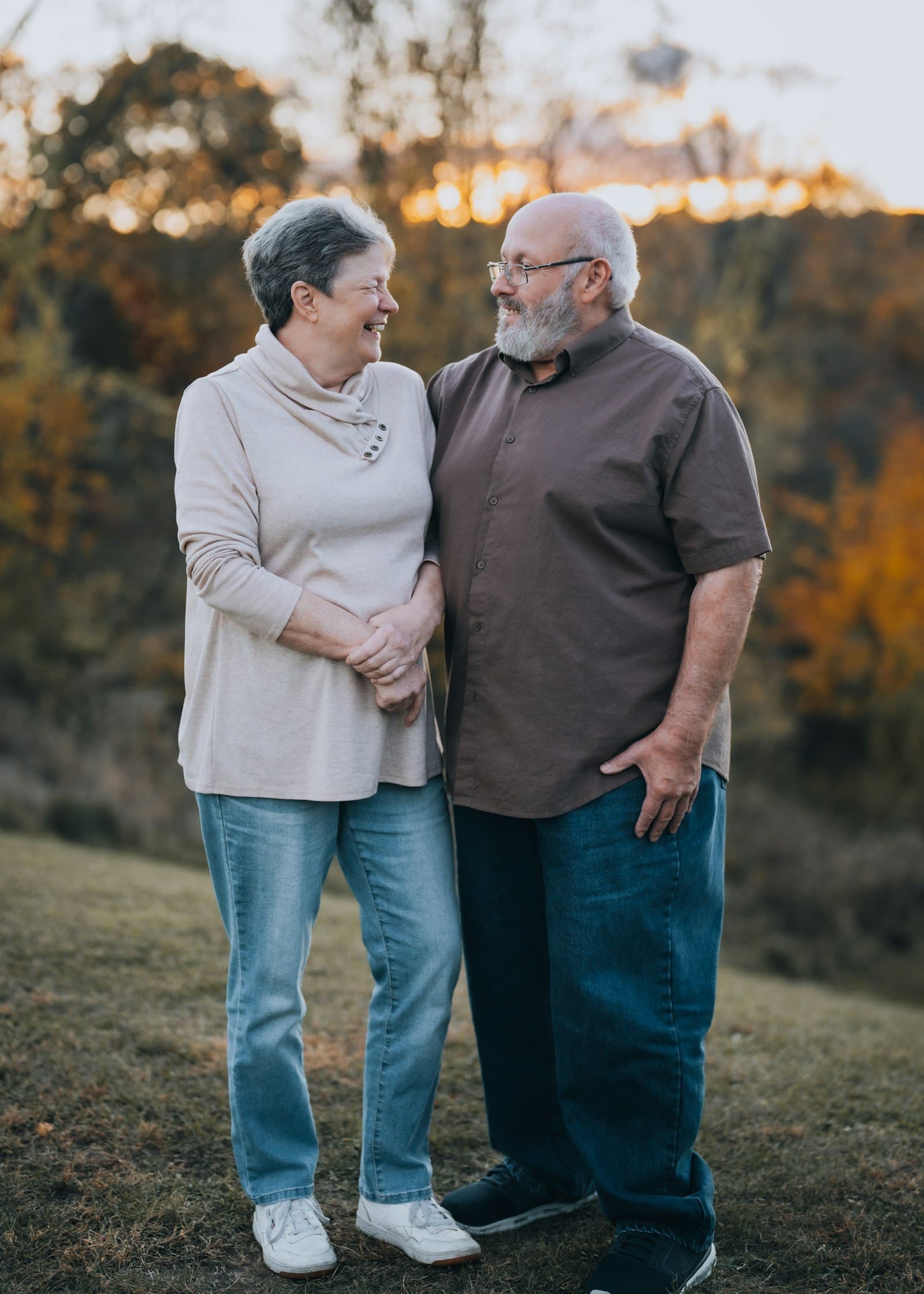
Making room for a different kind of closeness
The ISSM suggests emphasizing intimacy rather than focusing only on penetrative sex. Hugging, kissing and exchanging massages, for example, can be enjoyable in their own right, and widening the definition can take the pressure off both partners to perform. The ISSM also points out that needing more time can give couples a chance for more intimate sharing.
Henry Ford Health notes that it may take time and experimentation to find ways to have a satisfying sex life as you and your partner age. A few approaches that may help:
- Talk openly about the changes you are each noticing, and try not to blame yourself or your partner, as the NIA suggests.
- Do not assume a partner's changed interest means they no longer want you; ask.
- Choose times when you both have energy, and adjust positions or timing around pain.
- Keep everyday affection going, so touch does not only happen when sex is expected.
If one partner is in menopause, Perimenopause, Menopause, and Changes in Intimacy covers that transition, and Erectile Problems: The Emotional and Relationship Side looks at how ED affects both partners.
Talking with professionals
The NIA acknowledges that discussing sex with a health care provider can feel uncomfortable, but says these are topics your doctor needs to hear about to treat you well. It also suggests that talking with a therapist, alone or with your partner, may help, and notes that some therapists have special training in sexual problems. If that kind of training matters to you, ask any therapist about it directly.
A psychologist can help with the emotional side: body image, grief, anxiety after an illness, or a gap between what two partners want. Dr. Lehmann's work on intimacy and sexual concerns focuses on that side and works alongside medical care. These concerns can be part of individual or couples therapy; ask Dr. Lehmann which format fits your situation when you call.