
Why some people prefer video for this topic
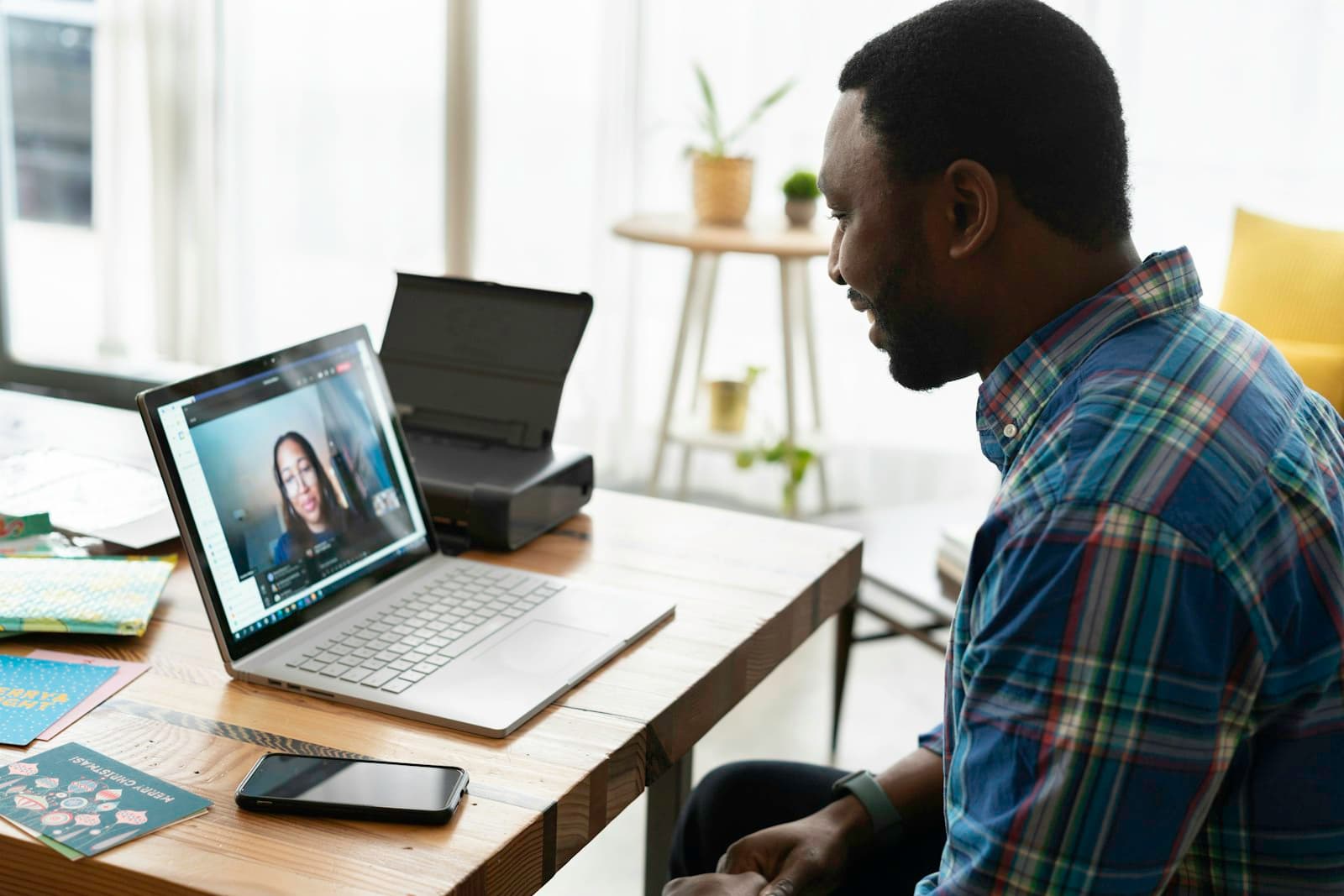
For some people, the hardest part of getting help with a sexual concern is walking into an office. A waiting room, a drive across town, or the worry of seeing someone they know can be enough to keep them from booking at all. Talking from a familiar room removes some of that exposure, and some people find personal subjects easier to raise from their own chair.
Others feel the opposite: a screen makes the conversation feel less private, or harder to settle into. Neither reaction is wrong. Telehealth is a format, not a different kind of therapy. The conversation about desire, closeness, anxiety or shame is the same one you would have in the Franklin office. Learn more about telehealth sessions and about therapy for intimacy and sexual concerns with Dr. Lehmann.
Therapy at a distance is a recognized option. The National Institute of Mental Health (NIMH) notes that the telephone, the internet and mobile devices have opened up new ways to reach treatment, including approaches where a therapist provides help at a distance, and that the first conversation with a possible therapist may happen in person, by phone or virtually.
The Michigan location rule
Psychology in Michigan is regulated by the Board of Psychology within the Department of Licensing and Regulatory Affairs (LARA). Dr. Lehmann is licensed in Michigan, and her telehealth sessions are for clients who are physically in Michigan at the time of the session. What counts is where you are during the call, not where you live or where your insurance is based.
If you travel for work, spend part of the year elsewhere, or are away at a relative's home, mention it when you first get in touch so sessions can be planned around the time you are in Michigan. Whether the practice can see clients located in other states is a question to ask directly rather than assume.
Privacy at home matters more than usual
A conversation about sex is one you will not want overheard by children, roommates, parents or, sometimes, a partner. A few preparations help:
- Choose a room with a door, and ask household members not to interrupt for the hour.
- Use headphones so the other side of the conversation stays private.
- Put a fan or white-noise machine outside the door if walls are thin.
- If home has no private corner, a parked car can work, as long as you are not driving.
- Turn off notifications that might show on a shared tablet or computer, and think about how the appointment appears on a shared calendar.
- Agree on a phone number where Dr. Lehmann can reach you if the video connection drops.
Sessions are held on a video platform intended for health care, and Dr. Lehmann explains how to join before your first online session. Ask any technical questions then. HHS notes that the federal HIPAA Security Rule requires security for health information in electronic form. Your own devices are part of the picture too, so keep the joining details somewhere others in the household do not read. For more on confidentiality, see How Private Is Therapy for Sexual Concerns?.
Please do not send clinical details by ordinary email or through the website form. The American Psychological Association (APA) notes that email is less secure than the telephone when it comes to confidentiality. A brief message asking to be called back is enough.
Before the first video session, test the link and your camera a day ahead, keep a charged device and a glass of water nearby, and log on a few minutes early so a technical problem does not cut into the time. Some people also like a few quiet minutes afterward before rejoining the household, since a session about intimacy can leave a lot to think about.
Couples sessions by video
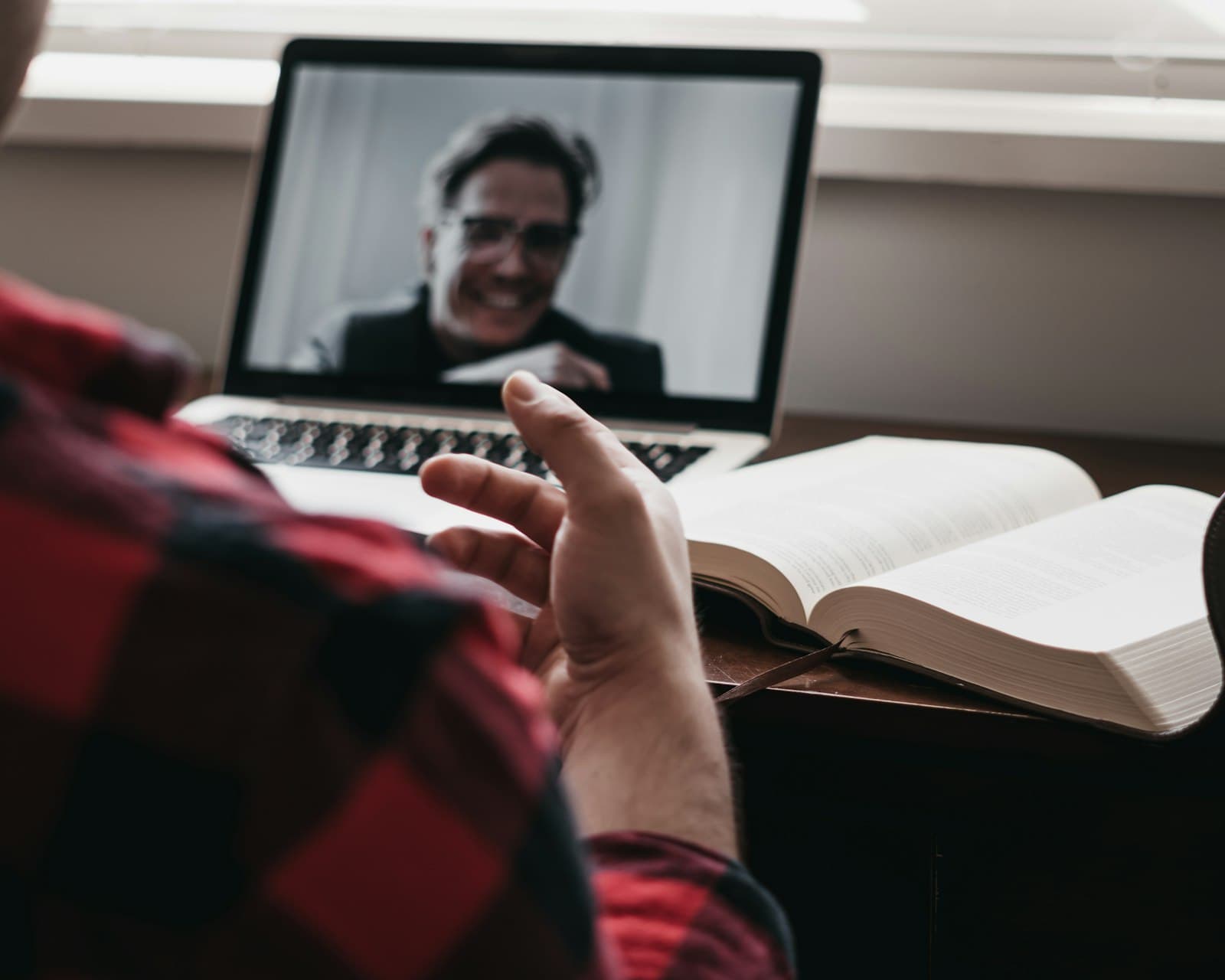
Dr. Lehmann sees couples as well as individuals, in person or by telehealth, and sexual concerns can be part of either individual or couples therapy. If you and a partner are thinking of joining a video session together, raise it when you call, and mention where each of you will be. Practical questions are worth asking up front: whether you should share one screen or join from separate devices, and what happens if one of you needs a moment to step away. Ask Dr. Lehmann which format fits your situation.
When the office may be the better fit
Telehealth is not right for everyone or every stage of the work. The Franklin office, at 26111 W 14 Mile Rd, Suite 108, may suit you better if:
- There is no place at home where you can talk without being overheard.
- Home is where the tension is, and you want some physical distance while you talk about it.
- Someone in the household checks your phone, computer or messages.
- You find it easier to open up when you are in the same room as someone.
Many people mix both, coming to the office for some sessions and using video when schedules or travel make that easier. Daytime appointments are offered Monday through Thursday. In-Person vs. Online Therapy looks at the general trade-offs.
A video session is not a medical visit
Telehealth with a psychologist focuses on the emotional and relationship side of a sexual concern. Pain, changes in erection or ejaculation, hormonal changes or medication side effects belong with your physician, gynecologist or urologist first. Therapy works alongside that care, not in place of it.